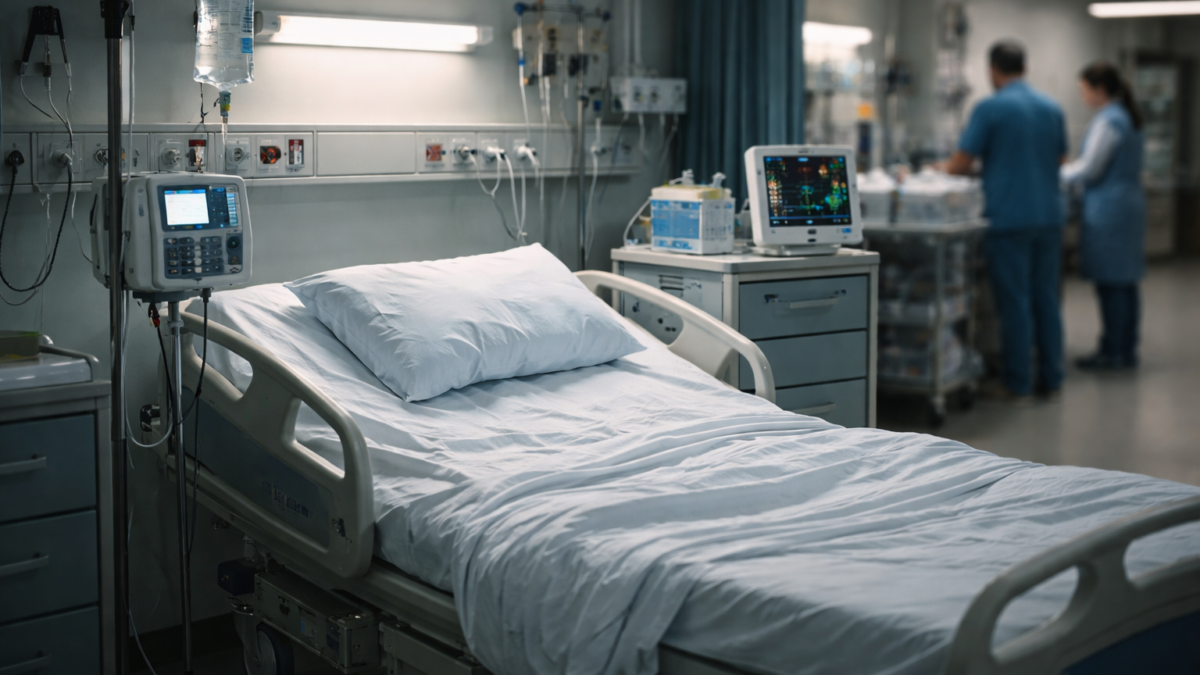
For years, public debate around cannabis has focused largely on legalization, criminal justice reform, and its comparison to alcohol. But a different conversation is now unfolding inside hospital emergency departments across the country. Physicians are reporting a sharp rise in cannabis-related emergencies — particularly among adolescents and young adults — raising questions about how dramatically the cannabis landscape has changed in a relatively short period of time.
Recent investigations highlight an alarming pattern: emergency rooms are treating increasing numbers of young patients experiencing acute cannabis toxicity. These are not mild cases of dizziness or anxiety. Instead, clinicians are seeing severe vomiting episodes, acute psychosis, panic reactions, dehydration, and in some instances, patients requiring intensive monitoring. What was once considered a relatively low-risk substance is now presenting in ways that many families and even some healthcare providers did not fully anticipate.
One of the most striking drivers behind this trend is potency. The cannabis available today bears little resemblance to the products used decades ago. Modern dispensary items — particularly concentrates, vape cartridges, and high-dose edibles — can contain THC levels several times higher than traditional cannabis flower. For inexperienced users, especially teenagers whose brains are still developing, this surge in potency can overwhelm the body’s regulatory systems. The result is often an emergency room visit.
Cannabinoid Hyperemesis Syndrome (CHS) is one example of how chronic heavy use can manifest physically. Patients with CHS experience recurrent, uncontrollable vomiting and abdominal pain that often leads them repeatedly back to hospitals. Many are surprised to learn that cannabis itself is the trigger. Because cannabis has historically been associated with nausea relief, patients and even providers may not immediately recognize it as the cause. In states with expanded cannabis access, clinicians report seeing CHS far more frequently than they did a decade ago.
Youth exposure is another growing concern. Recent data shows dramatic increases in cannabis-related emergency visits among individuals 24 and younger, with particularly steep rises in pediatric cases. Edibles that resemble candy or snacks have contributed to accidental ingestion among young children. Smaller body size and lower tolerance make children especially vulnerable to THC toxicity, and some require hospitalization for respiratory monitoring or neurological observation. Public health experts warn that packaging and labeling regulations have not always kept pace with product innovation, leaving gaps in consumer protection.
Beyond acute toxicity, mental health complications are emerging more clearly in emergency settings. High-THC products have been associated with episodes of acute psychosis, paranoia, severe anxiety, and agitation. For individuals predisposed to psychiatric conditions, cannabis may exacerbate underlying vulnerabilities. Because brain development continues into the mid-20s, early and repeated exposure to high-potency THC may carry risks that were underappreciated during earlier legalization debates. Emergency physicians now describe cannabis-induced psychosis as something they encounter regularly — a reality that contrasts sharply with earlier perceptions of marijuana as benign.
These developments reflect a broader shift in how cannabis is produced, marketed, and consumed. Commercialization has accelerated product diversification. Concentrated extracts, vape pens, infused beverages, gummies, and synthetic cannabinoid variants offer users multiple routes of administration — each with different onset times and potency levels. Edibles, in particular, present a risk of delayed onset, leading some individuals to consume more before feeling effects. The cumulative result can be overwhelming intoxication that requires medical intervention.
At the same time, normalization of cannabis use has increased dramatically. As legalization spreads and dispensaries become commonplace, public perception of risk has declined. Surveys show many young people view cannabis as less harmful than alcohol or tobacco. Yet emergency department data tell a more complicated story. Cannabis-related visits are rising not necessarily because the substance is newly dangerous, but because access, potency, and patterns of use have shifted.
Another complicating factor is that regulatory frameworks vary widely by state. Some states impose strict packaging requirements and THC limits; others allow higher concentrations and a broader range of products. This patchwork approach creates inconsistent consumer protections. In regions without comprehensive regulation, high-potency products may be easier to obtain, increasing the likelihood of misuse or accidental exposure.
Healthcare providers are responding by adapting screening and education practices. Pediatricians and emergency physicians now routinely ask about cannabis exposure when evaluating unexplained vomiting, altered mental status, or acute psychiatric symptoms. Public health campaigns increasingly emphasize safe storage practices, particularly in homes with children. Yet education alone may not be enough. Many clinicians argue that stronger uniform standards around potency, packaging, and labeling could reduce preventable harm.
None of this negates ongoing debates about criminal justice reform or medical cannabis use. Rather, it underscores that legalization and commercialization bring public health responsibilities. Substances can be legal and still carry significant risk — particularly when potency increases and social perception shifts faster than safety education.
The rise in cannabis-related emergency visits is not a moral panic; it is a clinical reality documented in hospital data. For young people especially, the modern cannabis market presents exposures that differ markedly from prior generations. As policymakers, parents, educators, and healthcare providers continue to navigate this evolving landscape, one thing is increasingly clear: cannabis today is not the same product it was decades ago, and its health impacts must be evaluated accordingly.
Understanding this shift is essential. The conversation around cannabis must expand beyond legalization and into long-term health implications, youth vulnerability, and the demands placed on emergency care systems. Without that broader perspective, public health responses may lag behind the rapidly changing marketplace — and the emergency room will remain the place where those consequences are most visible.