Tricyclic Antidepressants-
A class of medications developed in the mid-20th century, tricyclic antidepressants (TCAs) are among the earliest drugs used to treat depression. Common examples include Amitriptyline, Nortriptyline, and Imipramine. TCAs work by increasing levels of neurotransmitters such as serotonin and norepinephrine in the brain, helping to improve mood and emotional regulation. While they can be effective, they have largely been replaced by newer antidepressants (like SSRIs) due to their higher risk of side effects and toxicity. Despite this, TCAs are still prescribed for certain conditions, including chronic pain, migraines, and treatment-resistant depression.
Abuse of Tricyclic Antidepressants
Tricyclic antidepressants are not commonly associated with recreational drug use in the same way as opioids or stimulants, but misuse can and does occur—primarily through taking higher-than-prescribed doses. Individuals may misuse TCAs in an attempt to enhance sedative effects, manage pain, or self-medicate untreated mental health conditions.
When taken in excessive amounts, TCAs can produce effects such as drowsiness, confusion, and in some cases mild euphoria. However, these effects are unpredictable and often accompanied by significant toxicity. Unlike many newer antidepressants, TCAs have a narrow therapeutic index, meaning the difference between a therapeutic dose and a dangerous dose is relatively small. This makes misuse particularly risky, even when unintentional.
One of the most serious dangers of TCA abuse is its impact on the central nervous system. Overdose can lead to life-threatening complications such as cardiac arrhythmias, seizures, and coma. Even relatively small overdoses can become medical emergencies, requiring immediate intervention. Unlike some other drug classes, there is no simple reversal agent (like naloxone for opioids), and treatment often involves intensive supportive care in a hospital setting.
Another concern with TCA misuse is the potential for dangerous interactions with other substances, including alcohol, benzodiazepines, and other antidepressants. These combinations can amplify sedative effects and increase the risk of overdose or respiratory depression.
The risks associated with tricyclic antidepressants highlight the importance of careful prescribing, patient education, and monitoring. While these medications remain valuable in certain clinical settings, their potential for toxicity makes proper use critical. Efforts to reduce harm focus on ensuring patients understand dosing instructions, limiting access to large quantities when appropriate, and providing mental health support to reduce the likelihood of misuse.
Cross Reactivity:
- When testing for the presence of Tricyclic Antidepressants, watch out for contributing substances that may result in a false positive reading.
- Always be sure to investigate what other substances your test subject may be taking PRIOR to administering your test.
Call us at 888-822-7120 with any questions on cross-reactive substances interfering with Tricyclic Antidepressant testing
Popular Drug Testing Products for Tricyclic Antidepressants
-
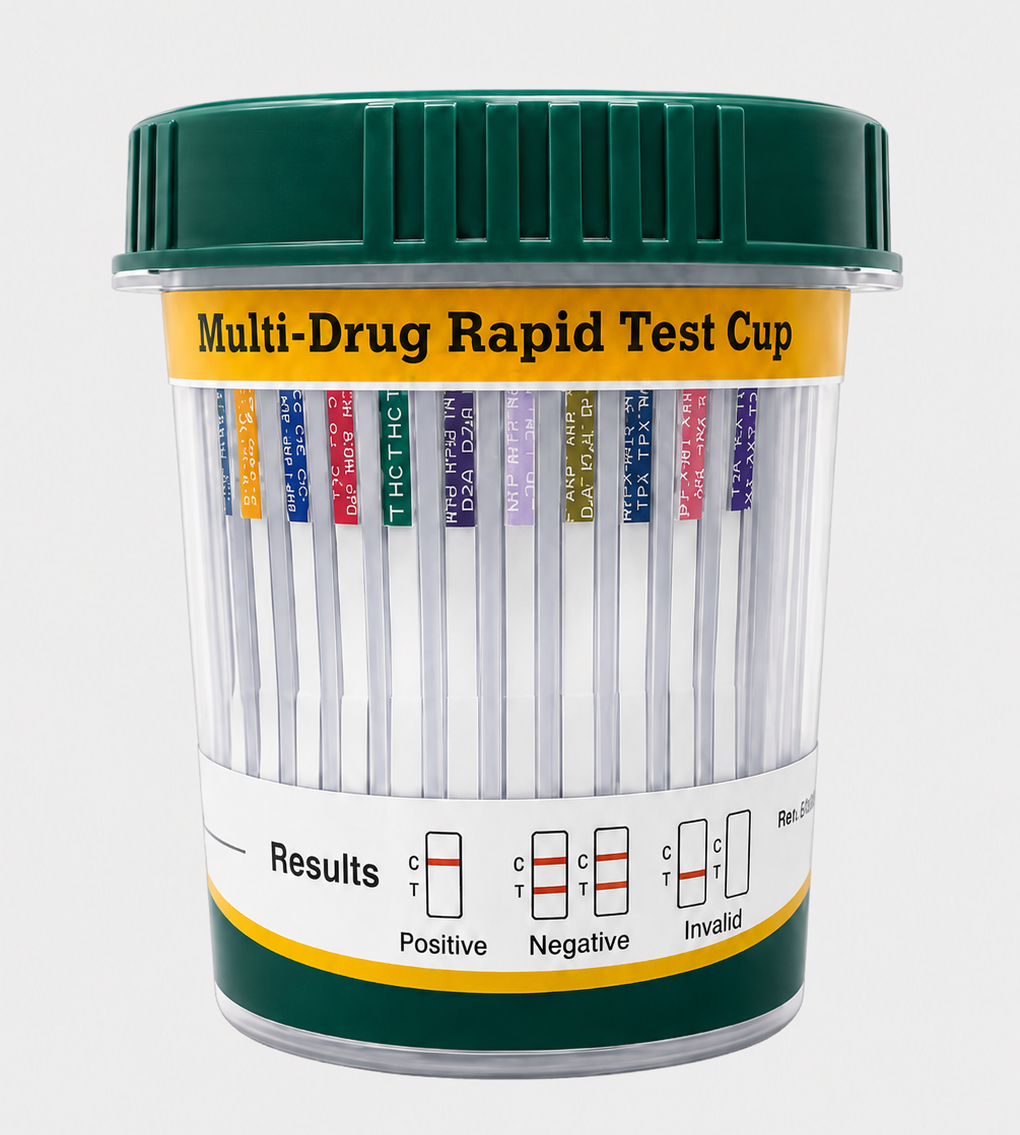
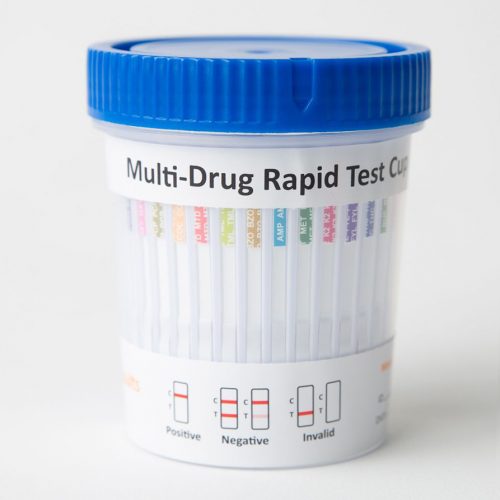
1-Step 14-Panel Instant Drug Test Cups w/ FYL & Adulterants (DUA1147CW w/ FYL; CLIA-Waived)
starting at $100.00 per box ($4.00 per test; 25 tests per box) -
1-Step 14-Panel Instant Drug Test Cups w/ ETG, FYL, & Adulterants (DUA-1147-A3; Forensic Use Only)
starting at $112.50 per box ($4.50 per test; 25 tests per box) -
SAFElife 13-Panel Drug Test T-Cups (TDOA-2135-A3; CLIA-Waived)
$106.25 per box ($4.25 per test; 25 tests per box) -
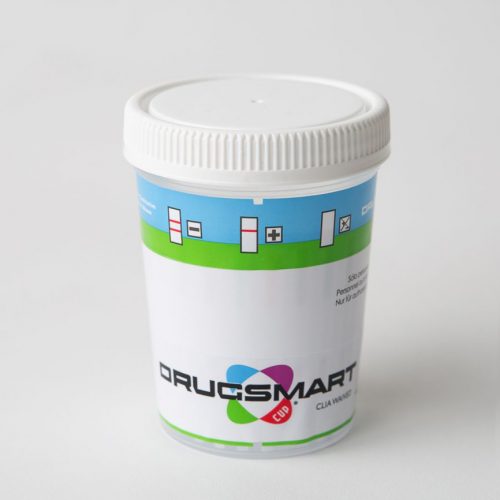
DRUGSMART 13-Panel Drug Test Cups (61313D; CLIA-Waived)
$200.00 per box ($8.00 per test; 25 tests per box)

Contact Us Today to Learn More
Whatever your needs, we’re available to provide the drug tests you need at reasonable prices. To purchase drug tests in bulk, call us at 888-822-7120 or visit our Contact Page today.