
-
SAFElife 10-Panel Drug Test C-Cups (CDOA-8105; CLIA-Waived)
$58.75 per box ($2.35 per test; 25 tests per box) -
DRUGSMART 10-Panel Drug Test Cups w/ FYL (61080D; CLIA-Waived)
$187.50 per box ($7.50 per test; 25 tests per box) -
SAFElife 10-Panel Drug Test T-Cups (TDOA-8104; CLIA-Waived)
$81.25 per box ($3.25 per test; 25 tests per box)

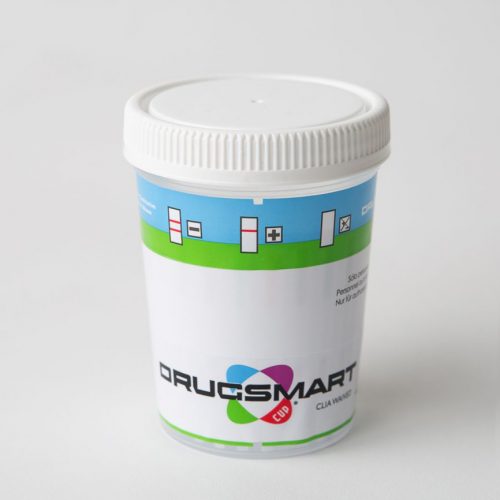

10 Panel Drug Test Cups
A 10 panel drug test cup is one of the most widely used urine drug screening solutions available today. Designed to combine specimen collection and drug testing into a single self-contained device, 10 panel drug test cups provide fast, reliable, and cost-effective screening for ten commonly abused substances and prescription medications.
Because they offer broad detection coverage while remaining easy to administer, 10 panel cups are frequently used by employers, rehabilitation facilities, drug treatment programs, healthcare providers, probation departments, correctional institutions, occupational health clinics, and sober living communities.
With results typically available within minutes, a 10 panel drug test cup helps organizations quickly identify potential substance use while simplifying the collection process and reducing specimen handling requirements.
What Is a 10 Panel Drug Test Cup?
A 10 panel drug test cup is a rapid immunoassay urine screening device that detects multiple drug classes simultaneously from a single urine specimen. Unlike traditional laboratory collection methods, the cup combines collection and testing into one integrated unit, reducing contamination risks and streamlining the screening process.
Most professional-grade 10 panel cups include:
- Built-in drug testing strips
- Leak-resistant screw-top lid
- Integrated temperature strip
- Easy-to-read results window
- Tamper-evident design
- Self-contained testing system
These features make the 10 panel cup one of the most practical and efficient drug testing solutions available for onsite screening.
What Drugs Does a 10 Panel Drug Test Cup Detect?
A traditional 10 panel drug test cup commonly screens for the following substances:
- Marijuana / THC (THC)
- Cocaine (COC)
- Opiates / Morphine (OPI / MOP)
- Amphetamines (AMP)
- Methamphetamine (mAMP / MET)
- Benzodiazepines (BZO)
- Buprenorphine (BUP)
- Oxycodone (OXY)
- Methadone (MTD)
- MDMA / Ecstasy (MDMA)
This combination provides broad coverage across illicit drugs, prescription opioids, medication-assisted treatment medications, stimulants, sedatives, and club drugs.
Why 10 Panel Drug Test Cups Are So Popular
The 10 panel configuration is often considered the ideal balance between broad detection capability and affordability.
While smaller panels may focus primarily on traditional workplace drugs, a 10 panel cup expands screening to include several commonly prescribed medications and opioids that have become increasingly important in modern drug testing programs.
Benefits include:
Broader Detection Coverage
Screens for multiple categories of substances including:
- Cannabinoids
- Stimulants
- Opiates
- Prescription opioids
- Benzodiazepines
- Medication-assisted treatment drugs
- Club drugs
Fast Preliminary Results
Most 10 panel drug test cups provide preliminary screening results in approximately 5 minutes.
Cost-Effective Testing
Compared to laboratory screening of multiple substances individually, a 10 panel cup provides comprehensive screening in a single test.
Easy Administration
No laboratory equipment, analyzers, or special training is required for most screening applications.
Reduced Handling
Collection and testing occur in the same cup, reducing contamination and specimen transfer risks.
Understanding the Drug Classes Included in a 10 Panel Test
Marijuana / THC (THC)
THC is the primary psychoactive compound found in cannabis products. Marijuana remains one of the most commonly screened substances in workplace, healthcare, and compliance-based testing programs.
Cocaine (COC)
Cocaine is a powerful stimulant that affects the central nervous system. Screening for cocaine remains a standard component of most drug testing programs due to its high abuse potential and workplace safety concerns.
Opiates / Morphine (OPI)
Opiate screening is designed to identify traditional opioid compounds derived from the opium poppy. These may include substances that metabolize into morphine and related compounds.
Amphetamines (AMP)
Amphetamine testing helps identify stimulant compounds that may affect concentration, judgment, reaction time, and workplace performance.
Methamphetamine (MET)
Methamphetamine is a highly potent stimulant associated with significant physical, behavioral, and occupational safety risks.
Benzodiazepines (BZO)
Benzodiazepines are commonly prescribed medications used to treat anxiety, panic disorders, insomnia, and seizure disorders. Because these medications may impair alertness and coordination, they are often included in expanded testing panels.
Buprenorphine (BUP)
Buprenorphine has become increasingly important in modern drug testing due to its widespread use in medication-assisted treatment (MAT) programs.
Unlike many standard drug tests, dedicated buprenorphine screening helps monitor compliance and detect unauthorized use of medications such as:
- Suboxone®
- Subutex®
- Buprenorphine-containing formulations
Oxycodone (OXY)
Oxycodone is a semi-synthetic opioid commonly prescribed for pain management. Because oxycodone may not always trigger traditional opiate tests, dedicated OXY screening improves prescription opioid detection.
Methadone (MTD)
Methadone is commonly used in both pain management and opioid treatment programs. Dedicated methadone testing helps distinguish it from other opioid categories.
MDMA / Ecstasy (MDMA)
MDMA is a synthetic psychoactive substance often associated with recreational use. Screening for MDMA provides additional coverage beyond traditional workplace drug panels.
Buprenorphine Testing: Why It Matters
One of the most valuable features of modern 10 panel drug test cups is the inclusion of dedicated buprenorphine screening.
As medication-assisted treatment programs continue to expand throughout the United States, organizations increasingly require the ability to monitor buprenorphine separately from traditional opiates.
Buprenorphine testing is commonly utilized by:
- Drug courts
- Probation departments
- Rehabilitation centers
- MAT programs
- Pain management clinics
- Sober living facilities
- Healthcare providers
Because buprenorphine may not appear on standard opioid tests, dedicated screening significantly improves visibility into MAT-related compliance.
How to Use a 10 Panel Drug Test Cup
Step 1: Collect the Sample
Remove the cup from its sealed packaging and collect the urine specimen directly into the collection cup.
Step 2: Secure the Lid
Tightly seal the cup using the leak-resistant screw-top lid.
Step 3: Verify Temperature
Review the integrated temperature strip shortly after collection to help verify specimen authenticity.
Step 4: Allow the Test to Develop
Place the cup on a flat surface and allow the test strips to process.
Step 5: Read Results
Results are typically interpreted within approximately 5 minutes according to the manufacturer's instructions.
How to Read 10 Panel Drug Test Cup Results
Negative Result
Two lines appear for the substance being tested:
- Control line present
- Test line present
Even a faint test line is generally interpreted as a negative result.
Preliminary Positive Result
Only the control line appears.
No test line appears for the substance being screened.
Invalid Result
No control line appears.
The test should be repeated using a new device.
All preliminary positive results should be confirmed through certified laboratory testing methods such as GC/MS or LC-MS/MS.
Common Uses for 10 Panel Drug Test Cups
| Setting | Common Applications |
|---|---|
| Workplace Testing | Pre-employment, random, post-accident, return-to-duty testing |
| Rehabilitation Programs | Recovery monitoring and relapse prevention |
| Drug Courts | Treatment compliance monitoring |
| Probation & Parole | Accountability and abstinence testing |
| Sober Living Homes | Random resident screening |
| Healthcare Facilities | Clinical toxicology screening |
| Pain Management Clinics | Prescription medication monitoring |
| Correctional Facilities | Intake and ongoing testing |
| Personal Testing | At-home drug screening |
Why Employers Choose 10 Panel Drug Test Cups
Many employers consider the 10 panel drug test cup one of the most practical screening options because it provides expanded substance detection while maintaining efficiency and affordability.
Industries that commonly utilize 10 panel testing include:
- Construction
- Transportation
- Manufacturing
- Energy
- Healthcare
- Government agencies
- Public safety organizations
- Staffing companies
The ability to screen for traditional drugs of abuse, prescription opioids, benzodiazepines, and medication-assisted treatment drugs makes the 10 panel cup a valuable workplace safety tool.
Immunoassay Technology and Accuracy
10 panel drug test cups utilize rapid immunoassay technology to identify drug metabolites in urine. Each test strip contains antibodies calibrated to specific screening thresholds.
When a substance exceeds the designated cutoff level, the test produces a preliminary positive result. If the concentration remains below the cutoff threshold, the result is interpreted as negative.
When used properly, rapid urine drug test cups provide highly accurate preliminary screening results and serve as an effective first-line testing solution.
Frequently Asked Questions
What does a 10 panel drug test cup test for?
A traditional 10 panel cup commonly screens for THC, cocaine, opiates, amphetamines, methamphetamine, benzodiazepines, buprenorphine, oxycodone, methadone, and MDMA.
Why is buprenorphine included in a 10 panel test?
Buprenorphine is widely used in medication-assisted treatment programs and requires dedicated screening because it may not be detected through standard opiate testing.
How long does it take to get results?
Most 10 panel drug test cups provide preliminary results within approximately 5 minutes.
Can a 10 panel drug test detect prescription medications?
Yes. A 10 panel cup commonly includes prescription medications such as benzodiazepines, methadone, buprenorphine, and oxycodone.
What does a temperature strip do?
The temperature strip helps verify that the urine specimen was recently provided and falls within an expected temperature range.
Are drug test cup results final?
No. Drug test cups provide preliminary screening results. Any non-negative result should be confirmed through certified laboratory testing.
Who commonly uses 10 panel drug test cups?
Employers, rehabilitation centers, healthcare providers, drug courts, probation departments, correctional facilities, sober living homes, and individuals performing personal drug screening commonly use 10 panel drug test cups.
Does a 10 Panel Drug Test Cup Detect Suboxone?
Yes. If the cup includes Buprenorphine (BUP), it may detect medications such as Suboxone® and Subutex® that contain buprenorphine.
Can a 10 Panel Drug Test Cup Detect Synthetic Urine?
While standard drug testing strips do not directly identify synthetic urine, many professional drug test cups include temperature strips and adulteration testing that may help identify tampered or substituted specimens.
What Is the Detection Window for a 10 Panel Drug Test?
Detection windows vary depending on the substance, frequency of use, metabolism, hydration level, and individual physiology. Some substances may remain detectable for only a few days, while others may remain detectable for longer periods.
How Accurate Are 10 Panel Drug Test Cups?
When used according to manufacturer instructions, professional-grade 10 panel drug test cups provide highly accurate preliminary screening results. Positive screening results should always be confirmed by certified laboratory testing.
Can a Faint Line Still Mean a Negative Result?
Yes. In most urine drug test cups, any visible test line—even a faint one—is generally interpreted as a negative result, provided the control line is present and the test is read within the proper timeframe.
What Happens If the Control Line Does Not Appear?
If the control line does not appear, the test result is considered invalid. A new test should be performed using a fresh device.
Are 10 Panel Drug Test Cups CLIA Waived?
Some 10 panel drug test cups are available in CLIA-waived configurations, while others are designated Forensic Use Only (FUO). Always review the product specifications for the specific device being used.
What Is the Difference Between a 5 Panel and 10 Panel Drug Test?
A 5 panel drug test typically screens for the traditional SAMHSA-5 drug categories. A 10 panel drug test expands detection to include additional substances such as benzodiazepines, buprenorphine, methadone, oxycodone, and MDMA.
Why Do Employers Use 10 Panel Drug Test Cups?
Employers often choose 10 panel drug test cups because they provide broader detection coverage than basic drug tests while remaining affordable, fast, and easy to administer. The expanded panel helps identify prescription medication misuse and additional substances that may affect workplace safety.
Are 10 Panel Drug Test Cups Used in Rehabilitation Programs?
Yes. Rehabilitation centers, sober living homes, and treatment programs frequently use 10 panel drug test cups to monitor abstinence, treatment compliance, and recovery progress.
Are Laboratory Confirmations Required?
Drug test cups are designed as screening tools. Any preliminary positive result should be confirmed through certified laboratory confirmation methods such as GC/MS or LC-MS/MS before employment, legal, or medical decisions are made.