
-
DRUGSMART 13-Panel Drug Test Cups (61313D; CLIA-Waived)
$200.00 per box ($8.00 per test; 25 tests per box) -
SAFElife 13-Panel Drug Test T-Cups (TDOA-2135-A3; CLIA-Waived)
$106.25 per box ($4.25 per test; 25 tests per box)
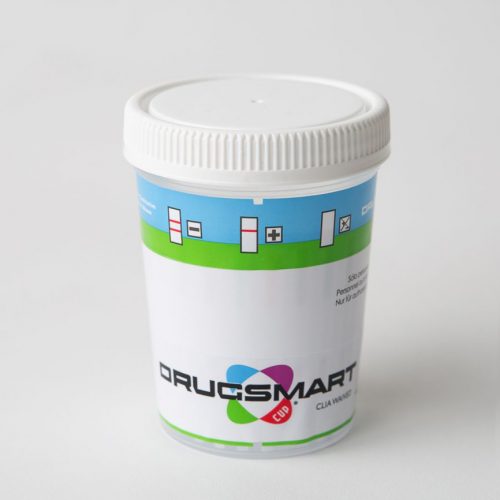

13 Panel Drug Test Cups
A 13 panel drug test cup provides broad-spectrum urine drug screening for illicit substances, prescription medications, opioids, stimulants, sedatives, and antidepressants in a single, convenient collection device. By combining specimen collection and testing into one self-contained cup, these tests offer fast, accurate, and cost-effective screening for organizations that require more comprehensive drug detection than traditional workplace panels.
One of the most unique advantages of many 13 panel drug test cups is the inclusion of Tricyclic Antidepressant (TCA) testing, which expands detection beyond common drugs of abuse and helps identify certain prescription antidepressant medications that may be misused or monitored in clinical and compliance-based testing programs.
Because of their expanded coverage, 13 panel drug test cups are commonly used by employers, rehabilitation centers, healthcare providers, drug courts, probation departments, pain management clinics, correctional facilities, and sober living programs.
What Is a 13 Panel Drug Test Cup?
A 13 panel drug test cup is a rapid immunoassay screening device designed to detect thirteen different drug classes or drug metabolites from a urine specimen. The cup combines collection and testing into a single unit, eliminating the need for separate collection containers or laboratory equipment.
Most professional-grade 13 panel cups include:
-
Built-in drug screening strips
-
Leak-resistant screw-top lid
-
Temperature verification strip
-
Easy-to-read results window
-
Tamper-evident design
-
Self-contained testing system
This streamlined approach helps reduce specimen handling while delivering fast preliminary results onsite.
What Drugs Does a 13 Panel Drug Test Cup Detect?
A traditional 13 panel drug test cup commonly screens for:
-
Amphetamines (AMP)
-
Barbiturates (BAR)
-
Benzodiazepines (BZO)
-
Buprenorphine (BUP)
-
Cocaine (COC)
-
MDMA / Ecstasy (MDMA)
-
Marijuana / THC (THC)
-
Methadone (MTD)
-
Methamphetamine (MET)
-
Opiates / Morphine (OPI)
-
Oxycodone (OXY)
-
PCP (PCP)
-
Tricyclic Antidepressants (TCA)
This combination provides detection across multiple substance categories, including stimulants, opioids, sedatives, club drugs, prescription medications, and antidepressants.
What Makes a 13 Panel Drug Test Different?
The primary difference between many 12 panel and 13 panel drug test cups is the addition of Tricyclic Antidepressant (TCA) testing.
While most expanded drug tests focus primarily on illicit drugs and controlled substances, the inclusion of TCA screening provides additional visibility into certain prescription medications that may affect safety, treatment compliance, or clinical monitoring programs.
This makes 13 panel drug test cups particularly useful in:
-
Behavioral health programs
-
Healthcare settings
-
Pain management clinics
-
Rehabilitation centers
-
Mental health treatment facilities
-
Compliance monitoring programs
Understanding Tricyclic Antidepressant (TCA) Testing
Tricyclic antidepressants are a class of prescription medications historically used to treat depression and certain chronic pain conditions. Although newer antidepressants are now more common, TCAs are still prescribed in many clinical settings.
Examples of tricyclic antidepressants include:
-
Amitriptyline
-
Nortriptyline
-
Imipramine
-
Desipramine
-
Doxepin
Because these medications can affect mood, cognition, coordination, and alertness, some healthcare providers and treatment programs choose to include TCA screening as part of a broader drug monitoring strategy.
The addition of TCA testing helps distinguish a 13 panel cup from many standard workplace testing configurations.
Comprehensive Detection Across Multiple Drug Categories
Illicit Drugs
The 13 panel cup commonly screens for substances frequently encountered in workplace and compliance-based testing programs, including:
-
Marijuana / THC
-
Cocaine
-
Methamphetamine
-
PCP
-
MDMA / Ecstasy
Prescription Opioids and MAT Medications
Expanded opioid monitoring includes:
-
Opiates
-
Oxycodone
-
Methadone
-
Buprenorphine
These dedicated testing strips help improve detection beyond traditional opioid screening alone.
Sedatives and Depressants
The panel also commonly includes:
-
Benzodiazepines
-
Barbiturates
-
Tricyclic Antidepressants
These medications may affect cognitive performance, coordination, and workplace safety.
Stimulants
Stimulant screening commonly includes:
-
Amphetamines
-
Methamphetamine
These substances remain among the most frequently tested drugs in workplace and occupational health programs.
Why Organizations Choose 13 Panel Drug Test Cups
Many organizations choose 13 panel drug testing because it provides broader coverage than traditional panels while remaining easy to administer.
Benefits include:
Expanded Prescription Medication Monitoring
The addition of TCA testing helps provide visibility into a broader range of prescription medications.
Fast Results
Most professional 13 panel cups provide preliminary results within approximately 5 minutes.
Convenient Collection Process
Collection and testing occur in a single device, reducing handling requirements.
Cost-Effective Drug Screening
Organizations can screen for a larger number of substances without substantially increasing testing complexity.
Improved Compliance Monitoring
Expanded analyte coverage supports rehabilitation, treatment, probation, and healthcare programs.
Built-In Temperature Verification
Most professional 13 panel drug test cups include an integrated temperature strip that helps verify specimen authenticity immediately following collection.
This additional layer of specimen validation helps improve confidence in the collection process.
How to Use a 13 Panel Drug Test Cup
Step 1: Collect the Specimen
Collect the urine specimen directly into the collection cup.
Step 2: Secure the Lid
Tightly close the leak-resistant lid.
Step 3: Verify Temperature
Review the temperature strip shortly after collection.
Step 4: Allow the Test to Develop
Place the cup on a flat surface while the test strips process.
Step 5: Read the Results
Interpret results according to the manufacturer's instructions.
Reading 13 Panel Drug Test Cup Results
Negative Result
Two lines appear:
-
Control line visible
-
Test line visible
A faint test line is generally interpreted as negative.
Preliminary Positive Result
Only the control line appears.
No test line appears for the substance being screened.
Invalid Result
No control line appears.
The test should be repeated using a new device.
All non-negative results should be confirmed through certified laboratory testing methods.
Common Uses for 13 Panel Drug Test Cups
| Setting | Common Applications |
|---|---|
| Workplace Testing | Pre-employment, random, post-accident testing |
| Drug Courts | Treatment compliance monitoring |
| Probation & Parole | Accountability testing |
| Rehabilitation Centers | Recovery and relapse monitoring |
| Sober Living Homes | Resident screening |
| Pain Management Clinics | Prescription monitoring |
| Healthcare Facilities | Clinical toxicology screening |
| Behavioral Health Programs | Medication monitoring |
| Correctional Facilities | Intake and ongoing testing |
Why 13 Panel Drug Test Cups Continue to Grow in Popularity
As drug testing programs evolve, many organizations require more than traditional workplace screening panels. The addition of Tricyclic Antidepressant (TCA) testing gives 13 panel drug test cups a unique advantage by expanding visibility into prescription medication use while maintaining broad coverage across illicit drugs, opioids, stimulants, and sedatives.
For organizations seeking expanded detection without moving into highly specialized testing panels, the 13 panel drug test cup provides an excellent balance of convenience, affordability, and comprehensive screening capability.
What does a 13 panel drug test cup test for?
A traditional 13 panel drug test cup commonly screens for amphetamines, barbiturates, benzodiazepines, buprenorphine, cocaine, marijuana, methadone, methamphetamine, MDMA, opiates, oxycodone, PCP, and tricyclic antidepressants.
What is the difference between a 12 panel and a 13 panel drug test?
Many 13 panel drug test cups add Tricyclic Antidepressant (TCA) testing, providing expanded prescription medication screening beyond a traditional 12 panel configuration.
What are tricyclic antidepressants?
Tricyclic antidepressants are a class of prescription medications historically used to treat depression, nerve pain, and certain chronic pain conditions.
Why is TCA testing important?
TCA testing helps provide visibility into certain prescription medications that may be relevant for healthcare, treatment, and compliance-based monitoring programs.
Does a 13 panel drug test detect Suboxone?
Yes. If the test includes Buprenorphine (BUP), it may help detect Suboxone® and similar medications.
How long does it take to get results?
Most 13 panel drug test cups provide preliminary results within approximately 5 minutes.
Are positive results final?
No. Drug test cups provide preliminary screening results. Any non-negative result should be confirmed through certified laboratory testing.
Who commonly uses 13 panel drug test cups?
Employers, rehabilitation centers, healthcare providers, drug courts, probation departments, correctional facilities, behavioral health programs, and sober living homes commonly utilize 13 panel drug test cups.