
-
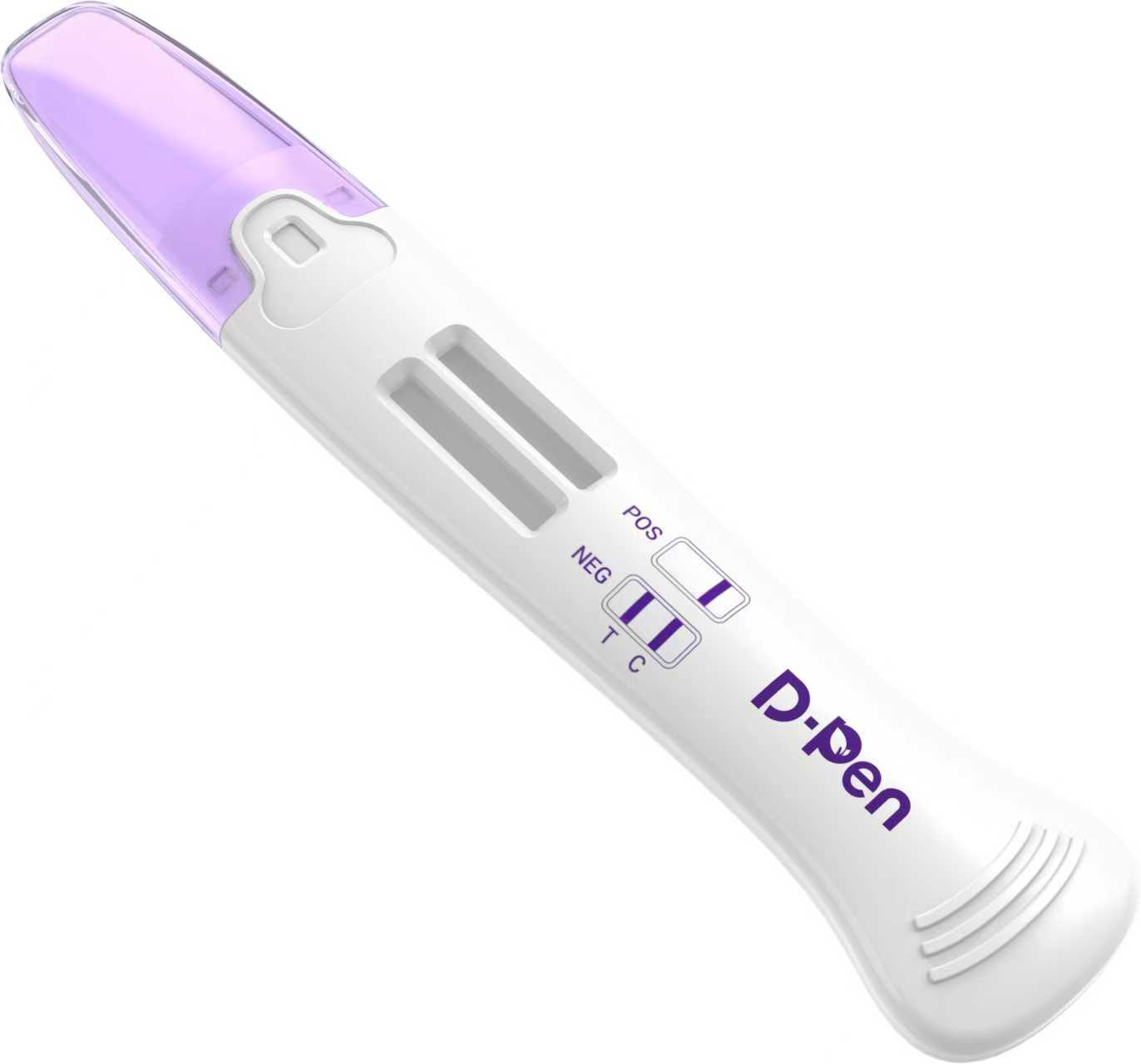
Amazewell COT (Nicotine) Single-Panel D-Pen Mini Saliva Drug Tests (DPM-COT-10B; Forensic Use Only)
$18.00 per box ($1.80 per test; 10 tests per box)
Cotinine (Nicotine) Saliva Drug Tests
Cotinine saliva drug tests are rapid oral fluid screening devices designed to detect cotinine, the primary metabolite of nicotine. Because cotinine remains in the body longer than nicotine itself, cotinine testing is considered one of the most reliable methods for identifying recent nicotine and tobacco use.
These tests are widely used by employers, healthcare providers, insurance companies, smoking cessation programs, clinical researchers, rehabilitation facilities, and individuals seeking to verify tobacco-free status or monitor nicotine exposure.
Because saliva collection is simple, non-invasive, and easy to administer, cotinine saliva tests have become one of the most popular solutions for nicotine screening.
What Is a Cotinine Saliva Test?
A cotinine saliva test is a rapid oral fluid screening device that detects cotinine, a metabolite produced when the body processes nicotine. Nicotine itself is eliminated relatively quickly, but cotinine remains detectable for a longer period, making it a preferred biomarker for nicotine exposure.
These tests are commonly used to identify exposure from:
- Cigarette smoking
- Cigars
- Smokeless tobacco
- Chewing tobacco
- Nicotine pouches
- Vaping products
- Electronic cigarettes (e-cigarettes)
- Nicotine replacement therapies
Most cotinine saliva tests provide preliminary results within approximately 5–10 minutes.
What Is Cotinine?
Cotinine is the primary metabolite of nicotine and is formed after nicotine enters the body. Because cotinine remains detectable significantly longer than nicotine, healthcare professionals and testing programs often use cotinine testing as the preferred method for monitoring tobacco use.
Cotinine testing can help identify:
- Active tobacco use
- Nicotine product use
- Vaping exposure
- Smoking cessation compliance
- Tobacco-free program participation
For this reason, cotinine testing has become the gold standard for nicotine screening.
Features of Cotinine Saliva Drug Tests
Non-Invasive Collection
Testing is performed using a simple oral fluid sample collected from the mouth.
Fast Results
Most cotinine saliva tests provide preliminary results within 5–10 minutes.
Easy Administration
No urine, blood, or laboratory collection procedures are required.
Directly Observed Collection
Oral fluid collection can be performed under direct observation, helping reduce specimen substitution concerns.
Portable and Convenient
Compact and lightweight design allows testing virtually anywhere.
No Additional Equipment Required
Testing can be performed without analyzers, laboratory instruments, or specialized equipment.
Cost-Effective Nicotine Screening
Provides an affordable alternative to laboratory-based nicotine testing.
Why Test for Cotinine Instead of Nicotine?
Nicotine itself is metabolized relatively quickly by the body. Cotinine remains present for a significantly longer period, making it a more reliable marker for recent nicotine use.
Benefits of cotinine testing include:
- Longer detection window
- More reliable nicotine exposure assessment
- Improved smoking status verification
- Better monitoring for tobacco-free programs
Because of these advantages, most nicotine screening programs focus on cotinine rather than nicotine itself.
What Can Cause a Positive Cotinine Test?
A cotinine saliva test may detect nicotine exposure from:
Cigarette Smoking
Traditional tobacco cigarettes remain one of the most common sources of nicotine exposure.
Electronic Cigarettes and Vapes
Most vaping products contain nicotine and may result in a positive cotinine test.
Nicotine Pouches
Popular nicotine pouch products may trigger positive cotinine results.
Smokeless Tobacco
Chewing tobacco, snuff, and other smokeless tobacco products contain nicotine that can be detected through cotinine testing.
Cigars and Pipe Tobacco
Nicotine exposure from cigars and pipe tobacco may also produce positive results.
Nicotine Replacement Therapy
Products such as nicotine gum, nicotine patches, nicotine lozenges, and nicotine inhalers may result in detectable cotinine levels.
Cotinine Saliva Tests vs. Urine Nicotine Tests
Both saliva and urine testing are commonly used for nicotine screening.
| Feature | Saliva Cotinine Test | Urine Cotinine Test |
|---|---|---|
| Collection Method | Oral fluid sample | Urine sample |
| Collection Convenience | Very High | High |
| Collection Observation | Easily observed | More difficult |
| Restroom Required | No | Yes |
| Result Speed | Fast | Fast |
| Portability | Excellent | Excellent |
| Non-Invasive | Yes | Yes |
Many organizations prefer saliva testing because of its ease of collection and convenience.
How to Use a Cotinine Saliva Test
Step 1: Prepare for Collection
Follow the manufacturer's instructions regarding food, beverages, and tobacco use prior to testing.
Step 2: Collect the Saliva Sample
Place the collection swab inside the mouth until sufficient oral fluid has been collected.
Step 3: Activate the Test
Insert the collection swab into the testing device according to the manufacturer's instructions.
Step 4: Allow the Test to Develop
Place the device on a flat surface while the test develops.
Step 5: Read the Results
Results are generally interpreted within approximately 5–10 minutes.
How to Read Cotinine Saliva Test Results
Negative Result
Two colored lines appear, indicating cotinine was not detected above the cutoff level.
Preliminary Positive Result
Only the control line appears, indicating cotinine may be present above the designated cutoff level.
Invalid Result
No control line appears. The test should be discarded and repeated using a new device.
All non-negative results should be confirmed through certified laboratory testing when required.
Why Cotinine Testing Is Important
Tobacco use remains one of the leading preventable health risks worldwide. Cotinine testing helps organizations and healthcare providers:
- Verify tobacco-free status
- Support smoking cessation efforts
- Monitor nicotine exposure
- Encourage healthier lifestyles
- Improve workplace wellness outcomes
- Promote accountability in tobacco-free programs
Because cotinine is a highly reliable marker of nicotine exposure, cotinine saliva tests have become one of the most widely used nicotine screening tools available.
Frequently Asked Questions
What is a cotinine saliva test?
A cotinine saliva test is an oral fluid screening device used to detect cotinine, the primary metabolite of nicotine.
What does a cotinine test detect?
Cotinine tests detect exposure to nicotine from cigarettes, vaping products, smokeless tobacco, nicotine pouches, and nicotine replacement therapies.
Why is cotinine tested instead of nicotine?
Cotinine remains in the body longer than nicotine, making it a more reliable indicator of recent nicotine exposure.
How long does it take to get results?
Most cotinine saliva tests provide preliminary results within approximately 5–10 minutes.
Can vaping cause a positive cotinine test?
Yes. Most nicotine-containing vaping products can result in positive cotinine test results.
Can nicotine pouches trigger a positive result?
Yes. Nicotine pouches contain nicotine and may produce detectable cotinine levels.
Are cotinine saliva tests accurate?
When used properly, cotinine saliva tests provide highly accurate preliminary nicotine screening results.
Are positive results final?
No. Cotinine saliva tests provide preliminary screening results. Confirmatory laboratory testing may be required depending on program requirements.