
-
Clearance Sale: DTx 6-Panel Dip Tests (DOA-264; CLIA-Waived; Expiring 11/2026)
Original price was: $101.25.$20.00Current price is: $20.00. per box ($0.80 per test; 25 tests per box) -
Clearance Sale: SAFElife 6-Panel Dip Tests (WDOA-264; CLIA-Waived; Expiring 01/2027)
Original price was: $101.25.$25.00Current price is: $25.00. per box ($1.00 per test; 25 tests per box) -
SAFElife 5-Panel THC Multi-Level Dip Tests (WDTH-151; Forensic Use Only)
$55.00 per box ($2.20 per test; 25 tests per box) -
SAFElife 5-Panel Urine Drug Test Dip Cards (WDOA-254; CLIA-Waived)
starting at $38.75 per box ($1.55 per test; 25 tests per box) -
SAFElife 6-Panel Urine Drug Test Dip Cards w/ No THC (WDOA-865; CLIA-Waived)
starting at $43.75 per box ($1.75 per test; 25 tests per box) -
SAFElife 7-Panel Urine Drug Test Dip Cards (WDOA-274; CLIA-Waived)
$70.00 per box ($2.80 per test; 25 tests per box) -
SAFElife 10-Panel Urine Drug Test Dip Cards (WDOA-9104; CLIA-Waived)
starting at $55.00 per box ($2.20 per test; 25 tests per box) -
SAFElife 12-Panel Urine Drug Test Dip Cards (WDOA-6125; CLIA-Waived)
starting at $87.50 per box ($3.50 per test; 25 tests per box) -
SAFElife 14-Panel Urine Drug Test Dip Cards (WDOA-8145; Forensic Use Only)
$95.00 per box ($3.80 per test; 25 tests per box) -
1-Step 14-Panel Drug Test Dip Cards (DOA-1144-AC; Forensic Use Only)
$106.25 per box ($4.25 per test; 25 tests per box)
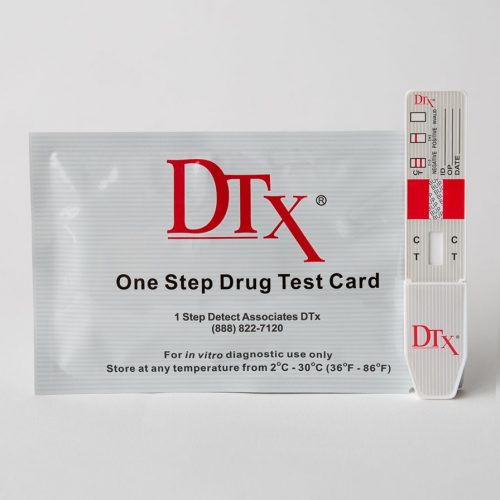
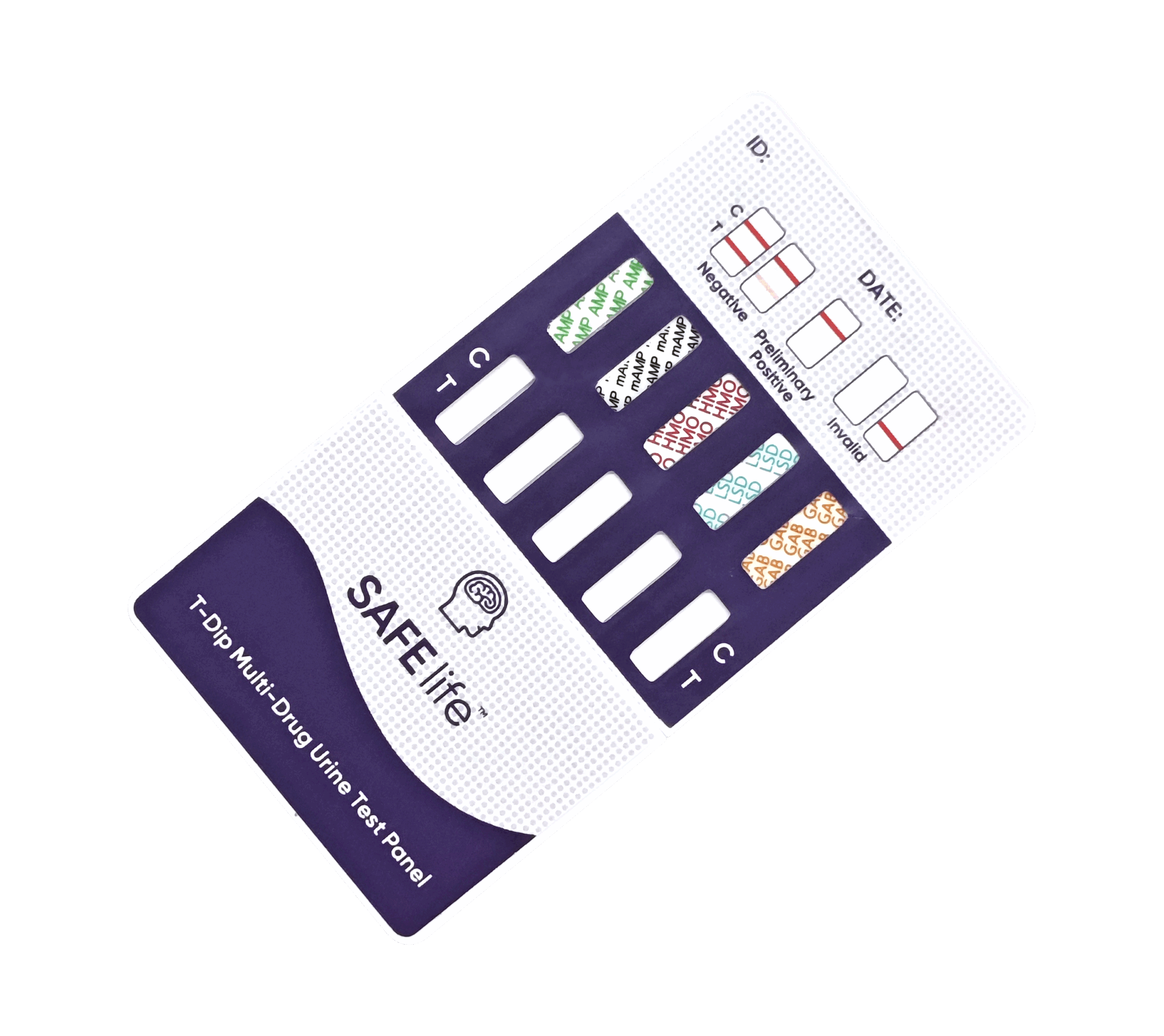
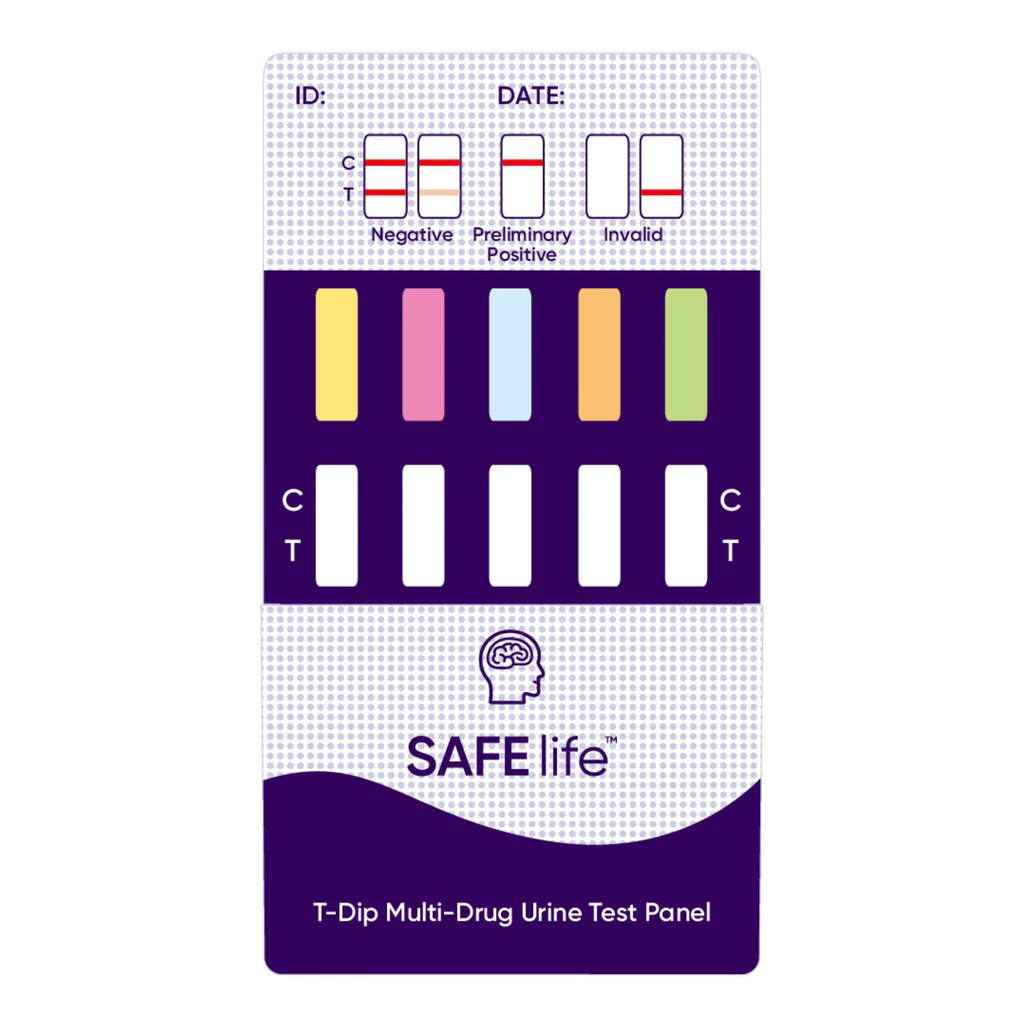
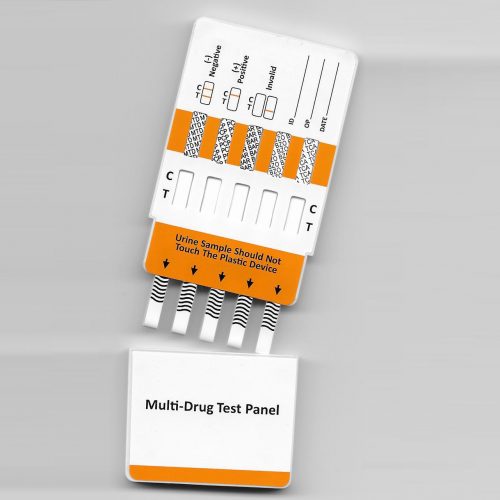
Urine Drug Test Dip Cards
Urine drug test dip cards are rapid drug screening devices designed to detect the presence of drugs and their metabolites in urine samples. These easy-to-use dip tests are commonly utilized in workplace drug testing programs, rehabilitation centers, probation and parole monitoring, healthcare facilities, schools, occupational health clinics, sober living programs, and personal at-home testing environments.
Because urine drug test dip cards provide fast preliminary results, affordable testing options, and simple administration, they remain one of the most widely used forms of onsite drug screening available today.
What Are Urine Drug Test Dip Cards?
Urine drug test dip cards are rapid immunoassay screening devices that test urine specimens for specific drugs or multiple substances simultaneously. The testing strip is dipped directly into a urine sample, and results are typically available within minutes.
Dip cards are available in many different panel configurations ranging from single panel drug tests up to expanded multi-panel screening devices capable of detecting numerous substances at once.
These tests are commonly used for:
- Workplace drug screening
- Pre-employment testing
- Random employee drug testing
- Rehabilitation monitoring
- Probation and parole compliance testing
- Drug court programs
- Pain management compliance
- Sober living accountability programs
- School and athletic testing
- Personal at-home drug testing
Features of Urine Drug Test Dip Cards
Fast Preliminary Results
Most urine drug test dip cards provide readable results within approximately 5 minutes.
Easy Dip-and-Read Format
The test strip is dipped directly into the urine specimen for quick and convenient administration.
Multiple Panel Configurations Available
Dip cards are available in a wide range of configurations including single panel, 3 panel, 5 panel, 6 panel, 7 panel, 10 panel, 12 panel, 14 panel, and expanded multi-panel drug tests.
Portable and Compact Design
Lightweight and easy to transport, making these tests ideal for onsite or mobile testing programs.
Cost-Effective Drug Screening
Urine dip cards provide affordable drug screening solutions for both low-volume and high-volume testing environments.
Easy-to-Read Test Lines
Clearly labeled control and test regions help simplify result interpretation.
No Additional Equipment Required
Testing can typically be performed without laboratory analyzers or specialized equipment.
What Drugs Can Urine Drug Test Dip Cards Detect?
Depending on the configuration selected, urine drug test dip cards may detect a broad range of substances including:
| Test Strip | Substance | Commonly Associated With |
|---|---|---|
| AMP | Amphetamines | Adderall, Vyvanse, stimulant medications |
| BAR | Barbiturates | Sedative and sleeping medications |
| BZO | Benzodiazepines | Xanax, Valium, Ativan, Klonopin |
| BUP | Buprenorphine | Suboxone, Subutex |
| COC | Cocaine | Cocaine, crack cocaine |
| ETG | Ethyl Glucuronide / Alcohol | Recent alcohol consumption |
| FEN | Fentanyl | Synthetic opioids |
| GAB | Gabapentin | Gabapentin medications |
| K2 | Synthetic Cannabinoids | Spice, synthetic marijuana |
| KET | Ketamine | Ketamine substances |
| KRA | Kratom | Mitragynine and kratom products |
| MDMA | Ecstasy / MDMA | Ecstasy, Molly |
| MET / mAMP | Methamphetamine | Crystal methamphetamine |
| MTD | Methadone | Methadone treatment medications |
| OPI | Opiates | Heroin, morphine, codeine |
| OXY | Oxycodone | OxyContin, Percocet |
| PCP | Phencyclidine | PCP / Angel dust |
| THC | Marijuana / THC | Cannabis, marijuana, THC products |
| TRA | Tramadol | Tramadol medications |
| TCA | Tricyclic Antidepressants | Prescription antidepressants |
Expanded configurations may also include additional analytes and adulteration testing markers.
Common Urine Drug Test Dip Card Configurations
Single Panel Drug Test Dips
Designed to detect one specific substance such as THC, fentanyl, cocaine, buprenorphine, or EtG alcohol.
Multi-Panel Drug Test Dips
Multi-panel dip cards are available in numerous configurations including:
- 3 Panel Drug Test Dips
- 5 Panel Drug Test Dips
- 6 Panel Drug Test Dips
- 7 Panel Drug Test Dips
- 10 Panel Drug Test Dips
- 12 Panel Drug Test Dips
- 14 Panel Drug Test Dips
- Expanded custom panel configurations
These broader testing options help organizations monitor both traditional illicit substances and emerging drug trends.
Why Expanded Drug Testing Panels Matter
Modern substance use patterns increasingly involve combinations of prescription medications, opioids, stimulants, alcohol, and synthetic substances. Expanded urine drug test dip cards help improve visibility into these evolving trends by offering broader screening capabilities.
Many organizations now include substances such as:
- Fentanyl
- Buprenorphine
- Methadone
- Oxycodone
- EtG Alcohol
- Kratom
- Synthetic Cannabinoids (K2)
- Ketamine
- Tramadol
These expanded panels help improve:
- Workplace safety programs
- Compliance monitoring
- Rehabilitation oversight
- Medication diversion detection
- Substance abuse prevention efforts
- Alcohol abstinence monitoring
How to Use a Urine Drug Test Dip Card
1. Collect the Urine Sample
Collect the urine specimen in a clean collection container.
2. Remove the Test Device
Remove the dip card from the sealed pouch immediately before use.
3. Dip the Test Strip
Dip the absorbent portion of the test strip into the urine sample according to the manufacturer’s instructions.
4. Place the Test Flat
Remove the strip from the specimen and place it on a flat surface while the test develops.
5. Read the Results
Results are typically interpreted within approximately 5 minutes. Do not interpret results outside the manufacturer’s recommended reading timeframe.
How to Read Urine Drug Test Dip Results
Negative Result
Two colored lines appear — one in the control region and one in the test region for the substance being screened. This indicates the substance was not detected above the cutoff level.
Preliminary Positive Result
Only one colored line appears in the control region, with no line appearing in the test region for the substance being tested. This indicates a preliminary positive result.
Invalid Result
No control line appears. The test should be discarded and repeated with a new device.
All preliminary positive or non-negative results should be confirmed through certified laboratory confirmation methods such as GC/MS or LC-MS/MS.
Why Urine Drug Test Dip Cards Are Popular
Urine drug test dip cards remain one of the most widely used drug screening formats because they provide fast and focused substance detection while remaining affordable and easy to administer.
Compared to larger drug testing systems, dip cards offer:
- Lower testing costs
- Faster administration
- Portable and convenient screening
- Simple storage and transport
- Easy result interpretation
- Efficient onsite testing
These benefits make dip cards ideal for both professional and personal drug testing applications.
Common Uses for Urine Drug Test Dip Cards
| Setting | Common Applications |
| Workplace Testing | Pre-employment and random drug screening |
| Rehabilitation Centers | Recovery and relapse monitoring |
| Probation & Parole | Compliance testing |
| Drug Courts | Accountability and abstinence monitoring |
| Pain Management Clinics | Prescription medication monitoring |
| Occupational Health Programs | Workplace safety screening |
| Sober Living Facilities | Accountability and relapse prevention |
| Healthcare Facilities | Clinical toxicology screening |
| Personal Testing | At-home drug screening |
Immunoassay Drug Screening Technology
Urine drug test dip cards use rapid immunoassay technology to detect drug metabolites in urine. Each strip contains antibodies calibrated to specific cutoff levels for the substances being screened.
If the concentration of a drug metabolite exceeds the designated cutoff threshold, the result may appear as a preliminary positive. If the concentration remains below the cutoff level, the result is interpreted as negative.
Because these are screening devices rather than confirmatory laboratory tests, all non-negative results should be confirmed through certified laboratory testing.
Forensic Use Only Notice
Certain urine drug test dip cards may be labeled “Forensic Use Only” (FUO). These products are intended for workplace, forensic, institutional, or compliance testing applications and are not intended to diagnose medical conditions or guide medical treatment decisions.
Frequently Asked Questions
What are urine drug test dip cards?
Urine drug test dip cards are rapid screening devices used to detect drugs and drug metabolites in urine samples.
How long does it take to get results?
Most urine drug test dip cards provide readable results within approximately 5 minutes.
What drugs can urine dip cards detect?
Depending on the configuration selected, dip cards may detect substances such as THC, cocaine, fentanyl, opiates, oxycodone, benzodiazepines, methamphetamine, alcohol metabolites, kratom, ketamine, and many others.
Are urine drug test dip cards accurate?
When used properly, rapid immunoassay dip tests provide highly accurate preliminary screening results.
What does a faint line mean?
A faint line is generally interpreted as a negative result as long as the control line is present and the test is read within the proper timeframe.
Are laboratory confirmations recommended?
Yes. All non-negative or preliminary positive results should be confirmed through certified laboratory confirmation testing.
Who commonly uses urine drug test dip cards?
These tests are commonly used by employers, rehabilitation centers, probation departments, healthcare providers, sober living facilities, occupational health clinics, and individuals performing personal drug screening.
Can urine drug test dip cards detect prescription medications?
Yes. Many expanded panel configurations include detection for prescription medications such as benzodiazepines, methadone, buprenorphine, oxycodone, tramadol, and barbiturates.
Do urine dip cards detect alcohol use?
Certain configurations include EtG alcohol metabolite testing, which may help detect recent alcohol consumption.
Why are expanded drug panels becoming more common?
Expanded panels help organizations monitor modern substance use trends involving prescription medications, synthetic opioids, alcohol metabolites, and emerging substances such as fentanyl, kratom, and synthetic cannabinoids.