
-
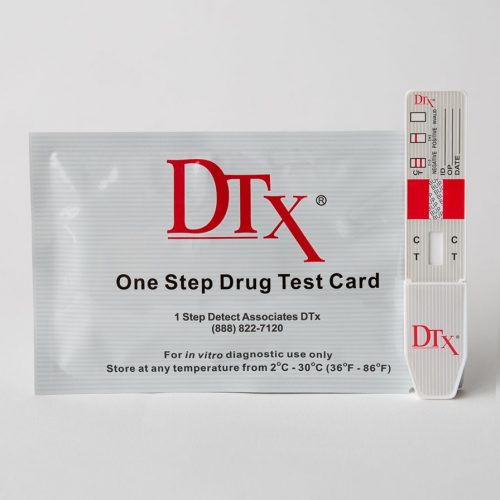
Clearance Sale: DTx 6-Panel Dip Tests (DOA-264; CLIA-Waived; Expiring 11/2026)
Original price was: $101.25.$20.00Current price is: $20.00. per box ($0.80 per test; 25 tests per box) -
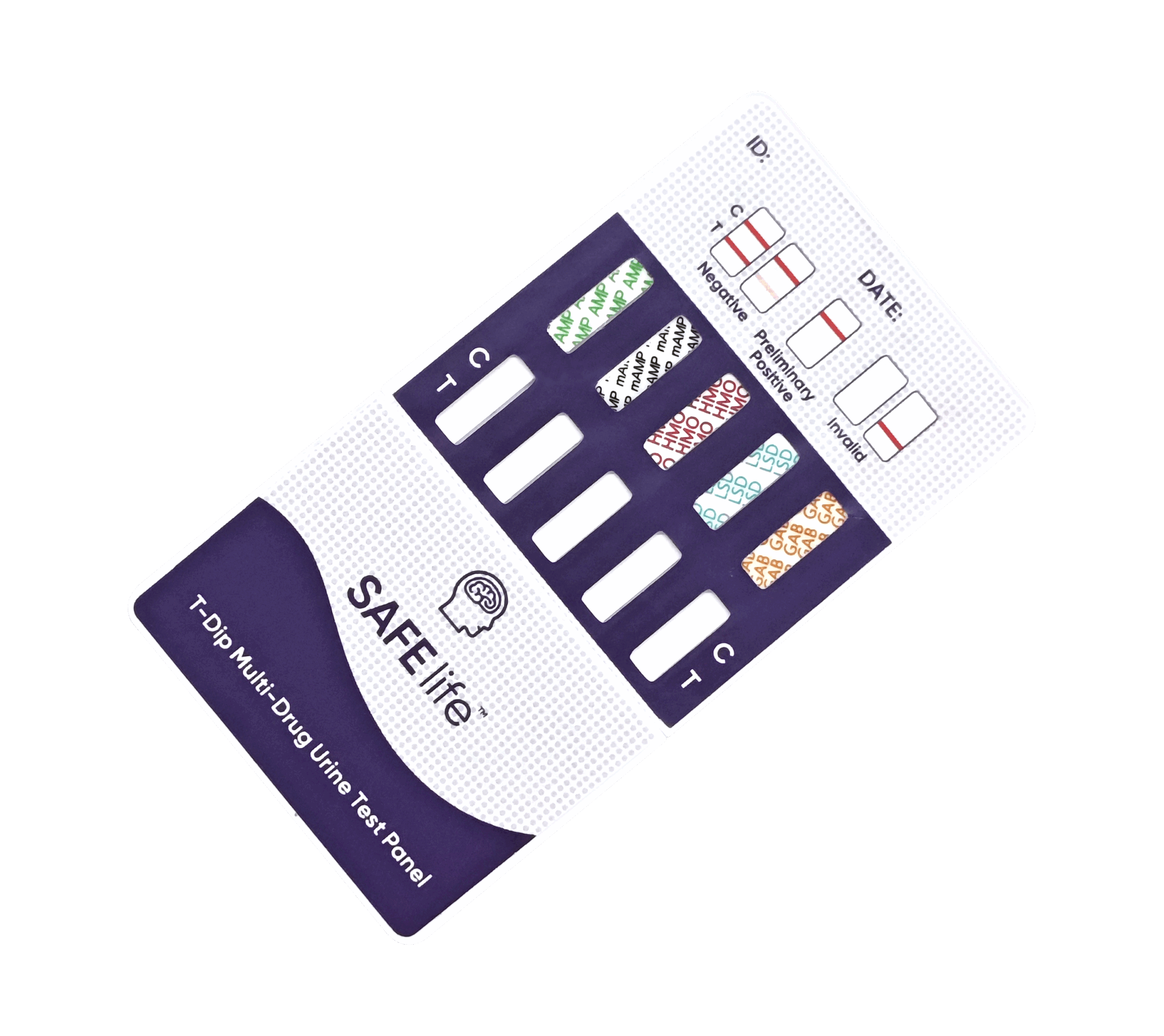
Clearance Sale: SAFElife 6-Panel Dip Tests (WDOA-264; CLIA-Waived; Expiring 01/2027)
Original price was: $101.25.$25.00Current price is: $25.00. per box ($1.00 per test; 25 tests per box) -
SAFElife 6-Panel Urine Drug Test Dip Cards w/ No THC (WDOA-865; CLIA-Waived)
starting at $43.75 per box ($1.75 per test; 25 tests per box)
6 Panel Drug Test Dip Cards
Flexible Urine Drug Screening for Common and Prescription Drug Categories
6 panel drug test dip cards are rapid urine screening devices designed to detect multiple drug classes in one simple dip-and-read test. These tests are a practical option for organizations that need broader screening than a basic 3 panel or 5 panel drug test, while still keeping the process affordable, fast, and easy to administer.
Our different 6 panel drug test dip card variations can screen for several commonly tested substances, including Amphetamines, Benzodiazepines, Cocaine, Marijuana, Methamphetamines, Opiates, Buprenorphine, Methadone, and Oxycodone. Because panel configurations may vary, customers should always review the specific product listing to confirm which six substances are included on the device they are purchasing.
6 panel urine drug test dip cards are commonly used by employers, rehabilitation centers, probation departments, sober living facilities, occupational health clinics, healthcare providers, schools, and individuals who need fast preliminary drug screening results.
What Is a 6 Panel Drug Test Dip Card?
A 6 panel drug test dip card is a rapid urine drug screening device that tests for six drug classes or metabolites from a urine specimen. The test is performed by dipping the absorbent end of the card into a urine sample and allowing the results to develop.
Unlike drug test cups, dip cards require a separate urine collection container. This makes them a lightweight, compact, and cost-effective option for programs that need easy onsite testing without using a fully integrated cup.
Most 6 panel drug test dip cards provide preliminary results within approximately 5 minutes.
What Drugs Can a 6 Panel Drug Test Dip Card Detect?
Our 6 panel dip card options may include different combinations of the following drug classes:
-
Amphetamines (AMP)
-
Benzodiazepines (BZO)
-
Cocaine (COC)
-
Marijuana / THC (THC)
-
Methamphetamine (mAMP / MET)
-
Opiates (OPI)
-
Buprenorphine (BUP)
-
Methadone (MTD)
-
Oxycodone (OXY)
Because different testing programs have different needs, 6 panel dip cards are available in multiple configurations. Some are designed for traditional workplace drug screening, while others include additional prescription opioid or medication-assisted treatment drugs.
Common 6 Panel Drug Test Screening Categories
Amphetamines
Amphetamine testing is commonly used to screen for stimulant medications and non-prescribed stimulant use. This panel is often included in workplace, school, and compliance-based testing programs.
Benzodiazepines
Benzodiazepines are prescription sedatives commonly associated with medications such as Xanax, Valium, Ativan, and Klonopin. Including benzodiazepines on a 6 panel dip card can help programs monitor prescription sedative use or misuse.
Cocaine
Cocaine is one of the most common substances included in urine drug screening. Cocaine testing is frequently used in workplace testing, probation monitoring, rehabilitation programs, and personal testing.
Marijuana / THC
THC testing screens for marijuana and cannabis-related substances. Marijuana remains one of the most frequently requested drug screening categories across workplace, school, treatment, and compliance programs.
Methamphetamine
Methamphetamine testing is commonly included in drug screening programs because of its potential impact on behavior, safety, and workplace performance. This panel is useful for identifying methamphetamine-related drug use.
Opiates
Opiate testing screens for opiate-related substances such as morphine, codeine, and heroin-related metabolites. It is commonly used in workplace, clinical, recovery, and forensic testing environments.
Buprenorphine
Buprenorphine is commonly used in medication-assisted treatment programs. Because buprenorphine may not be detected by standard opiate screening, dedicated BUP testing can be useful for treatment compliance and recovery monitoring.
Methadone
Methadone is used in opioid treatment programs and pain management. A dedicated methadone panel allows testing programs to monitor methadone separately from other opioid categories.
Oxycodone
Oxycodone is a prescription opioid that may not always be detected by a standard opiate panel. Including OXY testing helps improve detection of certain prescription pain medications.
Why Choose a 6 Panel Drug Test Dip Card?
A 6 panel urine drug test dip card provides a useful middle ground between basic and expanded drug testing. It gives programs more detection coverage than smaller panels without requiring a large multi-panel cup.
Key benefits include:
-
Screens for six substances in one test
-
Fast preliminary results
-
Simple dip-and-read format
-
Lower cost than larger panel tests
-
Compact design for easy storage
-
Useful for high-volume testing programs
-
No analyzer or lab equipment required
-
Multiple configurations available
This makes 6 panel dip cards a flexible option for routine drug testing programs that need more than basic screening.
6 Panel Dip Cards for Prescription Drug Monitoring
One reason many organizations choose 6 panel drug test dip cards is the ability to include prescription drug categories such as benzodiazepines, buprenorphine, methadone, and oxycodone.
Prescription medication monitoring is important in many settings, including:
-
Rehabilitation programs
-
Pain management clinics
-
Sober living facilities
-
Drug court programs
-
Probation monitoring
-
Healthcare screening
Because some prescription medications may not appear on standard drug tests, choosing the correct 6 panel configuration can help improve screening accuracy for your program’s needs.
6 Panel Drug Test Dip Cards vs. Larger Panel Tests
A 6 panel dip card is a strong option when you need more coverage than a 5 panel test but do not require a full 10 panel, 12 panel, or expanded drug test cup.
| Test Type | Best Used For |
|---|---|
| 3 Panel Dip Card | Focused testing for a small number of substances |
| 5 Panel Dip Card | Basic workplace-style screening |
| 6 Panel Dip Card | Added flexibility with prescription or opioid options |
| 10+ Panel Tests | Broader screening for expanded drug categories |
| Drug Test Cups | All-in-one collection and testing |
For many programs, 6 panel dip cards provide the right balance of affordability, portability, and expanded detection.
Common Uses for 6 Panel Drug Test Dip Cards
| Setting | Common Applications |
|---|---|
| Workplace Testing | Pre-employment, random, and post-incident screening |
| Rehabilitation Centers | Relapse monitoring and treatment compliance |
| Probation & Parole | Court-ordered compliance testing |
| Sober Living Facilities | Resident accountability testing |
| Pain Management Clinics | Prescription medication monitoring |
| Healthcare Facilities | Basic urine drug screening |
| Schools & Athletics | Drug prevention programs |
| Personal Testing | At-home drug screening |
How to Use a 6 Panel Drug Test Dip Card
Step 1: Collect the Urine Sample
Collect the urine specimen in a clean collection container.
Step 2: Open the Test
Remove the 6 panel dip card from its sealed pouch immediately before use.
Step 3: Dip the Card
Dip the absorbent end of the test card into the urine sample according to the manufacturer’s instructions. Do not dip past the maximum line if one is shown.
Step 4: Place on a Flat Surface
Remove the test card from the specimen and place it on a clean, flat surface.
Step 5: Read the Results
Read results within the timeframe listed in the product instructions. Most rapid urine dip cards provide preliminary results within approximately 5 minutes.
How to Read 6 Panel Drug Test Results
Negative Result
Two lines appear: one control line and one test line. This means the substance was not detected above the test cutoff level.
Preliminary Positive Result
Only the control line appears. No test line appears for the substance being screened. This indicates a preliminary positive result.
Invalid Result
No control line appears. The test should be considered invalid and repeated using a new device.
A faint test line is generally interpreted as negative as long as the control line is present and the test is read within the correct timeframe.
All non-negative results should be confirmed through certified laboratory testing when required.
Why 6 Panel Drug Testing Is Useful
6 panel drug test dip cards are useful because they give testing programs the ability to screen for common drugs of abuse while also adding important prescription medication categories when needed.
This flexibility makes them a strong choice for programs that want to monitor:
-
Traditional illicit drug use
-
Prescription opioid misuse
-
Medication-assisted treatment compliance
-
Sedative medication use
-
Workplace safety concerns
-
Recovery program accountability
Instead of purchasing a larger panel than necessary, many organizations use 6 panel dip cards to match their testing program more closely to the substances they actually need to monitor.
When to Consider a Different Panel Size
A 6 panel dip card is a practical option for many testing programs, but some situations may require additional screening. Consider a larger panel if you need to test for substances such as:
-
Fentanyl
-
EtG Alcohol
-
Kratom
-
K2 / Synthetic Cannabinoids
-
Tramadol
-
Gabapentin
-
Ketamine
-
MDMA
-
PCP
For targeted testing, single panel dip cards can also be used alongside a 6 panel test to add one specific substance when needed.
Frequently Asked Questions
What does a 6 panel drug test dip card test for?
Our different 6 panel dip card variations can detect combinations of Amphetamines, Benzodiazepines, Cocaine, Marijuana, Methamphetamines, Opiates, Buprenorphine, Methadone, and Oxycodone.
Are all 6 panel drug test dip cards the same?
No. Different 6 panel configurations may test for different combinations of substances. Always review the product details before ordering.
Does a 6 panel drug test detect THC?
Many 6 panel drug test dip cards include THC screening for marijuana and cannabis-related substances.
Does a 6 panel dip card detect oxycodone?
Some 6 panel configurations include Oxycodone testing. Always confirm the listed analytes for the specific device.
Can a 6 panel test detect Suboxone?
If the test includes Buprenorphine (BUP), it may help detect buprenorphine-containing medications such as Suboxone.
Does a 6 panel drug test detect methadone?
Some 6 panel dip card variations include Methadone (MTD) testing.
Does this test detect fentanyl?
Not unless fentanyl is specifically listed as one of the panels. A dedicated fentanyl test or expanded panel would be needed.
How fast are results available?
Most 6 panel urine drug test dip cards provide preliminary results within approximately 5 minutes.
What does a faint line mean?
A faint test line is generally considered negative as long as the control line is present and results are read within the proper timeframe.
Are positive results final?
No. Dip cards provide preliminary screening results. Any non-negative result should be confirmed through certified laboratory testing when required.