
-
SAFElife 10-Panel Saliva Drug Tests (QODOA-2106-I; Forensic Use Only)
Starting at $106.25 per box ($4.25 per test; 25 tests per box) -
SAFElife 10-Panel T-Swab Saliva Drug Tests (SODOA-1106EUO; Employment & Insurance Use)
Starting at $100.00 per box ($4.00 per test; 25 tests per box)
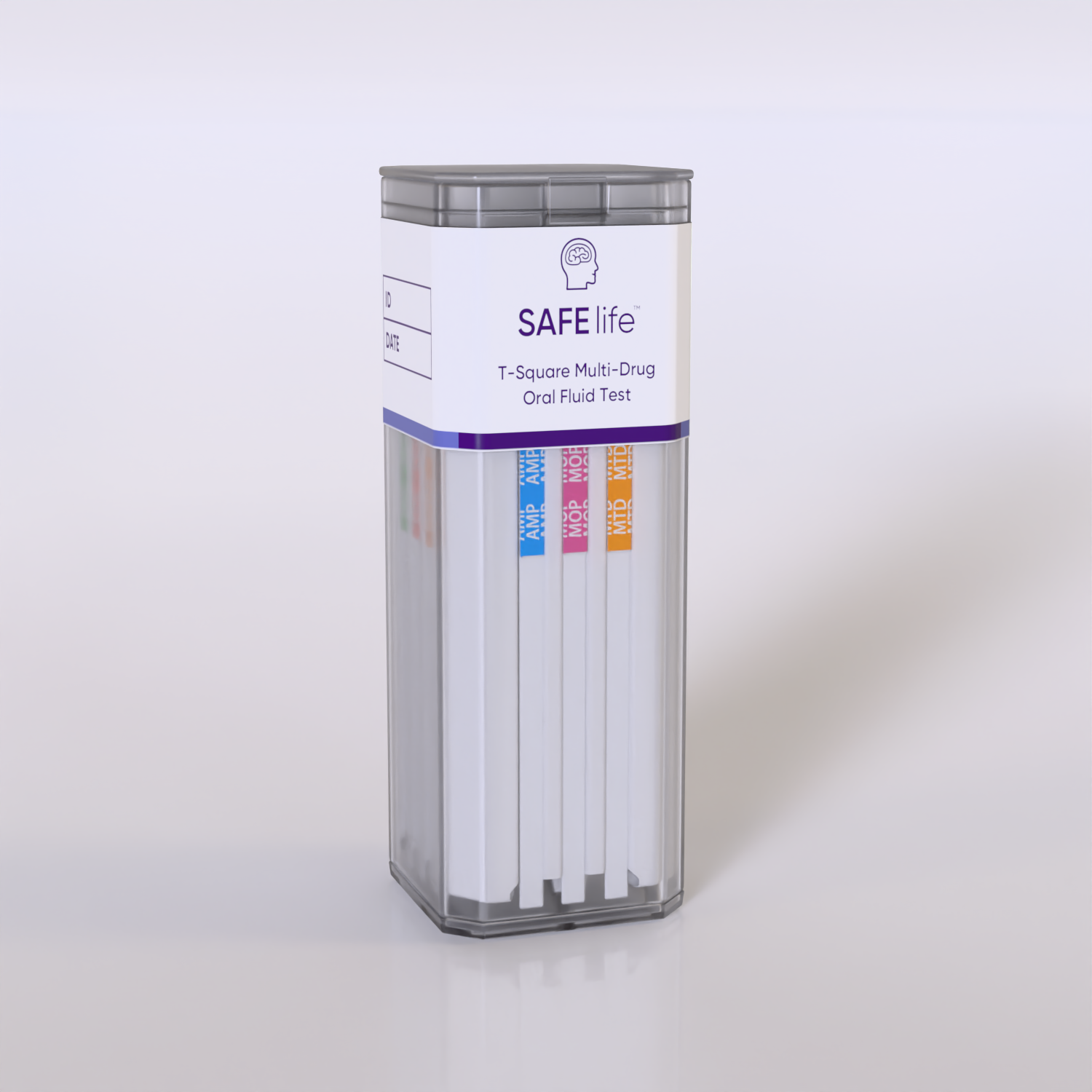
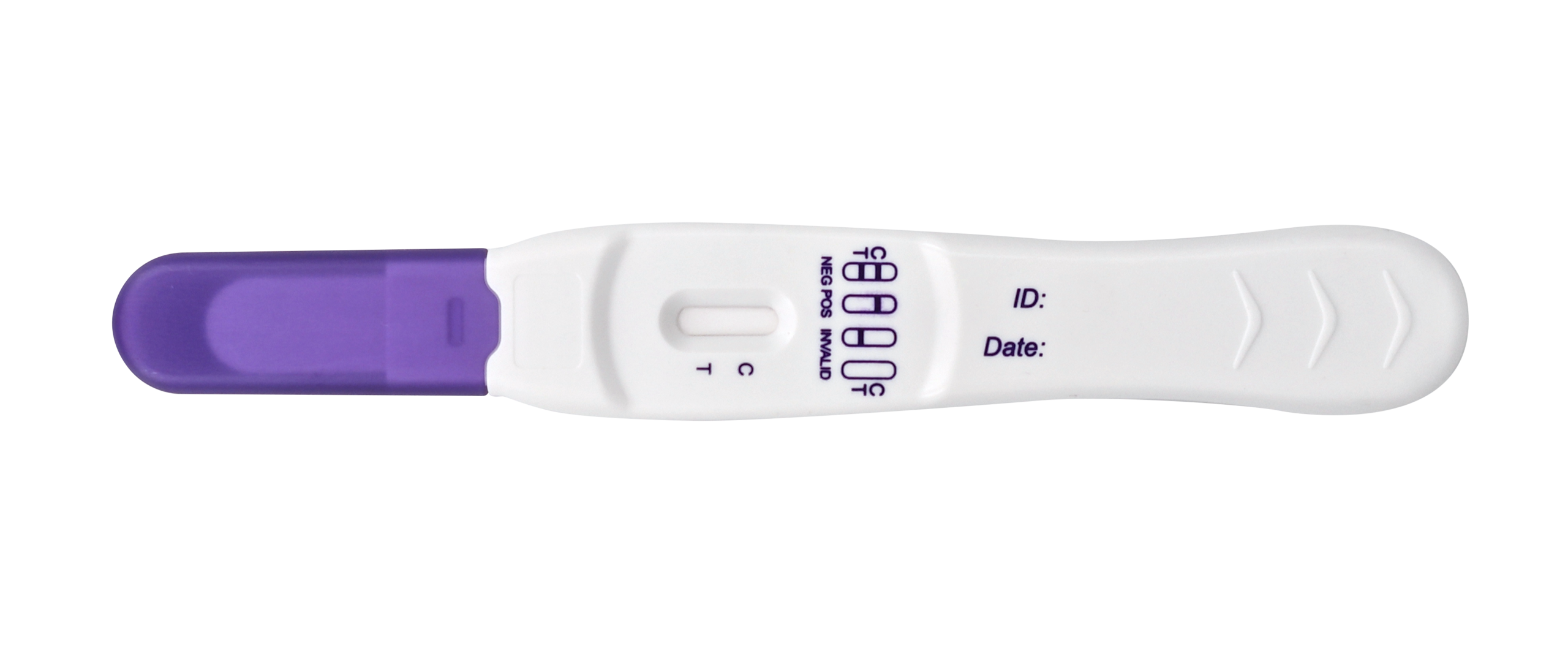
10 Panel Saliva Drug Tests
Fast Oral Fluid Screening for Multiple Drug Classes
10 panel saliva drug tests provide a convenient way to screen for multiple drugs using an oral fluid sample instead of a urine specimen. These tests are designed for quick, non-invasive drug screening and are commonly selected when a simple mouth swab collection process is preferred over traditional urine collection.
A 10 panel saliva test offers expanded screening coverage in a compact, easy-to-use format. Depending on the specific configuration, these tests may screen for substances such as Amphetamine, Barbiturates, Cocaine, MDMA, Methamphetamine, Methadone, Opiates, Oxycodone, PCP, THC, Buprenorphine, and Benzodiazepines.
Because saliva test configurations can vary, always review the product specifications to confirm exactly which substances are included on the device being purchased.
What Is a 10 Panel Saliva Drug Test?
A 10 panel saliva drug test is a rapid oral fluid screening device that checks for multiple drug classes from a saliva sample. The test is performed by collecting oral fluid from the mouth using a swab or collection device. Once enough saliva is collected, the test begins processing and preliminary results are available within minutes.
Unlike urine drug testing, saliva testing does not require a restroom or specimen cup. This makes oral fluid testing a clean, simple, and easy-to-observe collection method.
What Can a 10 Panel Saliva Test Detect?
Different 10 panel saliva drug test configurations may include screening for:
-
Amphetamine (AMP)
-
Barbiturates (BAR)
-
Benzodiazepines (BZO)
-
Buprenorphine (BUP)
-
Cocaine (COC)
-
MDMA / Ecstasy (MDMA)
-
Methamphetamine (MET / mAMP)
-
Methadone (MTD)
-
Opiates (OPI)
-
Oxycodone (OXY)
-
PCP
-
Marijuana / THC (THC)
Not every 10 panel saliva test will include the same exact combination of substances. Some versions may substitute one analyte for another, so the listed test panels should always be confirmed before use.
Oral Fluid Testing for Common Drugs of Abuse
Amphetamine and Methamphetamine
Amphetamine and methamphetamine are stimulant drug categories that are commonly included in oral fluid drug screening. These panels help detect stimulant-related substances through a saliva specimen.
Cocaine
Cocaine screening is included on many saliva drug tests because oral fluid testing can be useful for identifying recent exposure. Cocaine is one of the most common substances included in multi-panel oral fluid screening.
Marijuana / THC
THC is the primary psychoactive compound associated with marijuana and cannabis products. Saliva THC testing is often selected because oral fluid testing can be useful for recent-use screening.
Opiates
Opiate screening is designed to detect opiate-related substances. This panel is separate from certain synthetic or semi-synthetic opioids, which may require dedicated test strips.
Prescription Medication Panels
Many 10 panel saliva drug tests include prescription medication categories that may not be covered by smaller panels.
Benzodiazepines
Benzodiazepines are prescription medications commonly associated with sedative effects. A BZO panel provides expanded screening beyond traditional drug categories.
Barbiturates
Barbiturates are another class of sedative medications that may be included in expanded oral fluid drug testing.
Oxycodone
Oxycodone is often tested separately from standard opiates because it may not always be reliably detected by a general opiate panel. A dedicated OXY panel helps provide more specific opioid screening coverage.
Methadone
Methadone is commonly included in expanded drug screening panels as its own test category. It is different from standard opiate screening and typically requires a dedicated panel.
Buprenorphine
Buprenorphine may be included on certain 10 panel saliva test configurations. Because it is not the same as traditional opiates, dedicated BUP screening helps identify this specific drug category.
Expanded Drug Categories
MDMA / Ecstasy
MDMA, commonly referred to as Ecstasy or Molly, is included in some 10 panel saliva drug test configurations to expand detection beyond basic workplace-style drug panels.
PCP
PCP is a dissociative substance that may be included in expanded oral fluid drug screening. A dedicated PCP panel allows this substance to be screened separately from other drug classes.
Why Choose a 10 Panel Saliva Drug Test?
A 10 panel saliva drug test provides a strong balance between broader drug detection and simple oral fluid collection.
Key benefits include:
-
Non-invasive mouth swab collection
-
No urine specimen required
-
No restroom needed
-
Directly observable collection process
-
Fast preliminary results
-
Compact testing format
-
Simple administration
-
Reduced specimen substitution concerns
-
Expanded multi-drug screening in one device
For testing programs that need broader screening than a 5 panel saliva test, a 10 panel option can provide additional coverage while keeping the process quick and convenient.
10 Panel Saliva Tests vs. 5 Panel Saliva Tests
A 5 panel saliva test typically focuses on a smaller group of common drug categories. A 10 panel saliva test expands that coverage by adding additional prescription medication and specialty drug categories.
| Test Type | General Screening Coverage |
|---|---|
| 5 Panel Saliva Test | Core drug categories |
| 10 Panel Saliva Test | Expanded drug and prescription medication categories |
| 12 Panel Saliva Test | Broader screening with additional analytes |
| Single Panel Saliva Test | Targeted testing for one substance |
A 10 panel saliva test may be preferred when broader detection is needed without moving to the largest available saliva panel.
How to Use a 10 Panel Saliva Drug Test
Step 1: Open the Test
Remove the test from the sealed pouch immediately before use.
Step 2: Collect the Saliva Sample
Place the collection swab inside the mouth according to the product instructions. Keep the swab in place until enough oral fluid has been collected.
Step 3: Activate the Test
Insert the swab or collection device into the test unit as directed by the manufacturer.
Step 4: Allow the Test to Develop
Place the test on a flat surface and allow the results to develop within the recommended timeframe.
Step 5: Read the Results
Read results according to the package insert. Most oral fluid drug tests provide preliminary results within minutes.
How to Read 10 Panel Saliva Test Results
Negative Result
A negative result generally shows both a control line and a test line for the substance being screened.
Preliminary Positive Result
A preliminary positive result generally shows the control line only, with no test line appearing for that specific drug panel.
Invalid Result
If the control line does not appear, the result is invalid and the test should be repeated with a new device.
A faint test line is generally interpreted as negative as long as the control line is present and the result is read within the proper timeframe.
All non-negative results should be confirmed through certified laboratory testing when required.
Why Saliva Testing Is Different from Urine Testing
Saliva testing and urine testing both serve important roles in drug screening, but they are not identical.
| Feature | Saliva Drug Test | Urine Drug Test |
|---|---|---|
| Sample Type | Oral fluid | Urine |
| Collection Method | Mouth swab | Urine specimen |
| Restroom Required | No | Yes |
| Collection Observation | Easier to observe | More difficult to observe |
| Tampering Risk | Lower | Higher |
| Detection Focus | Often useful for recent use | Often useful for longer detection windows |
Saliva testing is often chosen when a cleaner, simpler, and more observable collection process is desired.
Choosing the Right 10 Panel Saliva Test
Before selecting a 10 panel saliva drug test, confirm the exact analytes included in the configuration. Because some 10 panel tests may include Buprenorphine and Benzodiazepines while others may include Barbiturates, PCP, MDMA, or Methadone, it is important to match the test to the substances you need to screen for.
Review the product details carefully before ordering to confirm:
-
Included drug panels
-
Reading time
-
Storage requirements
-
Intended use
-
Confirmation testing recommendations
Frequently Asked Questions
What does a 10 panel saliva drug test screen for?
Different 10 panel saliva test configurations may screen for Amphetamine, Barbiturates, Cocaine, MDMA, Methamphetamine, Methadone, Opiates, Oxycodone, PCP, THC, Buprenorphine, and Benzodiazepines.
Are all 10 panel saliva drug tests the same?
No. Configurations can vary. Always review the product listing to confirm which substances are included.
Does a 10 panel saliva test detect THC?
Many 10 panel saliva tests include THC screening. Always confirm the analyte list for the specific device.
Does this test detect oxycodone?
Some 10 panel saliva configurations include Oxycodone (OXY). Oxycodone is typically tested separately from standard opiates.
Does a 10 panel saliva test detect buprenorphine?
Some configurations include Buprenorphine (BUP). Confirm that BUP is listed on the product before use.
Why are opiates and oxycodone separate panels?
Opiates and oxycodone are different test categories. Oxycodone may require its own dedicated panel for more specific screening.
Is saliva testing easy to administer?
Yes. Saliva testing uses a mouth swab collection method and does not require urine collection or restroom access.
How fast are results available?
Most 10 panel saliva drug tests provide preliminary results within minutes. Always follow the manufacturer’s recommended read time.
What does a faint line mean?
A faint test line is generally interpreted as negative as long as the control line is present and the result is read within the correct timeframe.
Are preliminary positive results final?
No. Saliva drug tests provide preliminary screening results. Any non-negative result should be confirmed through certified laboratory testing when required.