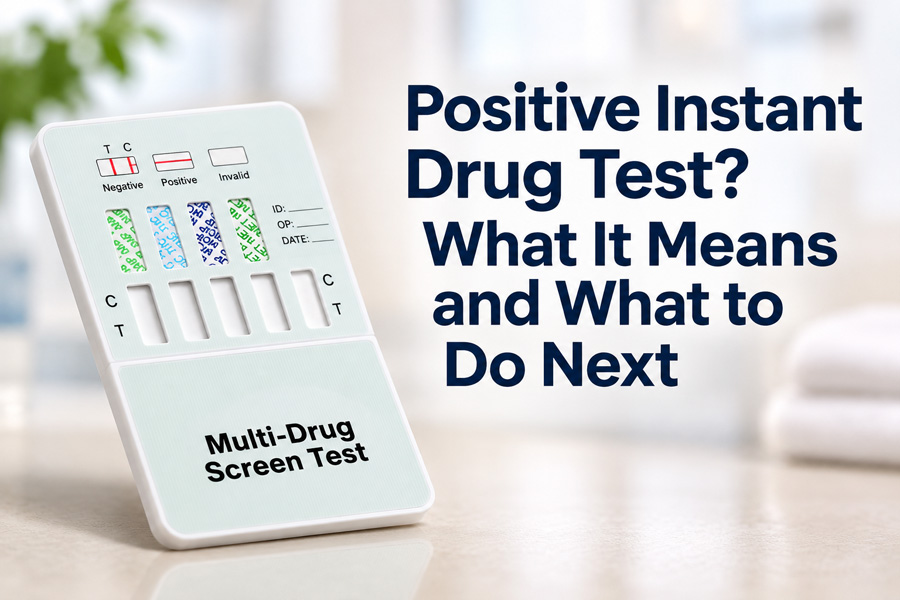
A positive instant drug test is a preliminary result, not a final answer. Instant tests can react to ordinary medications, and they can also miss drugs a panel wasn’t built to find. When an important decision depends on the result, the next step is lab confirmation.
Here’s why a screen can be wrong, how to check a result, and what to do before anyone acts on it.
What Does a Positive Instant Drug Test Mean?
A positive instant drug test means the test detected a drug, or something that looks like one to the test, above its cutoff level. The result is preliminary, also called presumptive. The FDA advises sending a preliminary positive to a laboratory for a second test, because foods, supplements, and medicines can affect instant results.
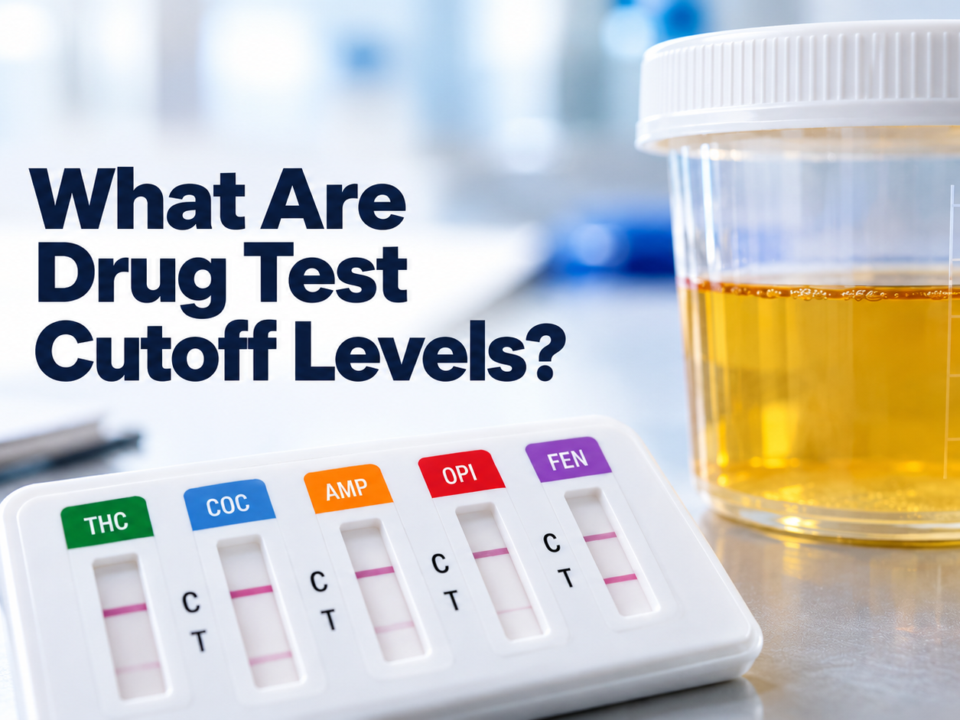
Instant tests are immunoassays. Antibodies on the test strip are built to recognize the shape of a drug molecule. That makes the tests fast and affordable, but not perfectly specific. Our guide to drug test cutoff levels explains the ng/mL numbers behind each result.
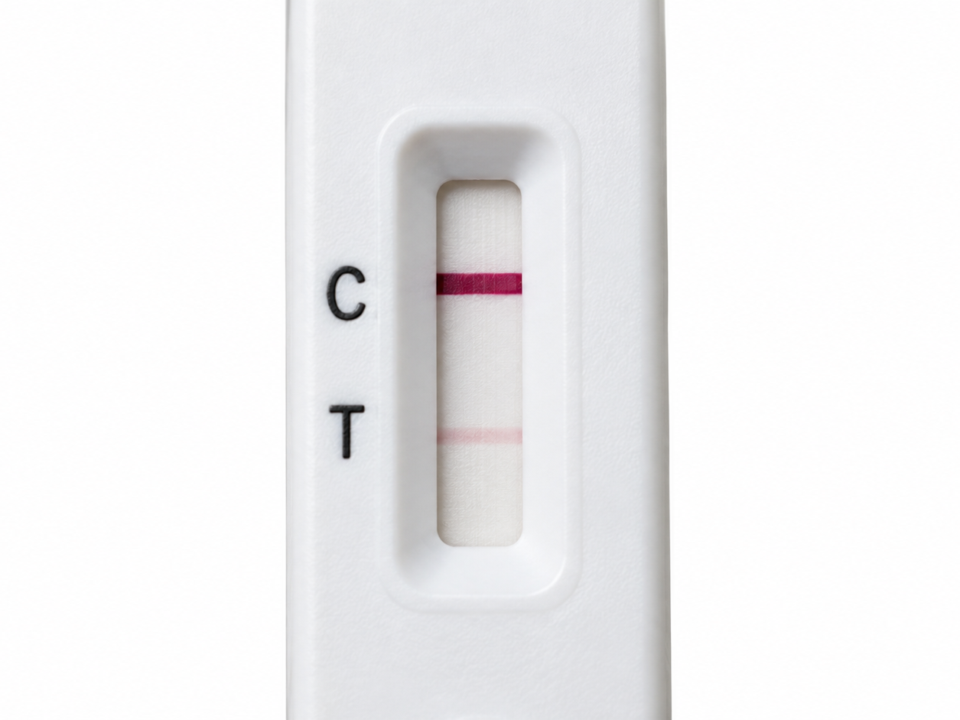
One common mix-up: a faint line is not a positive. On most instant tests, any visible line in the test region means negative. See what a faint line on a drug test means.
Can Medications Cause a False Positive Drug Test?
Yes. Some prescription and over-the-counter medicines have molecules similar enough to a target drug that the test’s antibodies react to them. This is called cross-reactivity, and it’s a well-documented cause of false-positive screens. Which medicines cross-react depends on the specific test, so the package insert is the place to check.
A clinical review in American Family Physician lists medications reported to cause false-positive urine screens. A few examples:
| Screen | Medications reported to cause false positives (examples) |
|---|---|
| Amphetamines | Pseudoephedrine and phenylephrine (decongestants), bupropion, trazodone, labetalol, methylphenidate |
| Benzodiazepines | Sertraline (Zoloft), oxaprozin (Daypro) |
| PCP | Dextromethorphan, diphenhydramine (Benadryl), ibuprofen, tramadol, venlafaxine |
| Opiates | Dextromethorphan, quinolone antibiotics, rifampin, verapamil |
| Marijuana (THC) | Efavirenz, proton pump inhibitors, some NSAIDs |
Source: Kale, American Family Physician, 2019, Table 3
Not every medication causes a false positive on every test. A 2025 review of false-positive screens notes that tests from different manufacturers have their own cross-reactivity profiles. That’s why an earlier review concluded that immunoassay positives should be treated as presumptive until a second, independent method confirms them.
When customers call us about an unexpected result, our team starts with the insert. We pull the package insert for that exact test, check its cross-reactivity list and the manufacturer’s data, and ask a national toxicology lab when a question goes beyond what the insert covers. You’ll find inserts for the tests we carry, plus our Cross-Reactivity Reference Guide, on our Training page.
Can an Instant Drug Test Miss a Drug?
Yes. A test only finds the drugs it was designed to detect. Standard opiate screens may not detect fentanyl or methadone, and many benzodiazepine screens miss clonazepam (Klonopin), lorazepam, and alprazolam. A negative result means only that the drugs on that panel weren’t found above their cutoff levels.
There are so many drugs of abuse today that no single test can cover them all. That’s why instant tests come in so many panel combinations, and why single-drug dip tests let you target exactly what you’re looking for, such as fentanyl dip cards, a fentanyl cassette test, or clonazepam dip cards. For help choosing, see how many panels your drug test should be.
What Should You Do After a Positive Instant Drug Test?
Treat the result as preliminary. Confirm you read the test correctly, check the package insert for cross-reacting substances, record the donor’s medications, and keep the specimen. If an employment, treatment, custody, or legal decision depends on the result, send the specimen to a laboratory for confirmation before acting on it.
- Recheck the read. Read the result within the time window on the package insert. Reading too early or too late can give a misleading result.
- Check the insert for that exact test. Brand, format, and specimen type all matter. Look for the cross-reactivity or specificity section.
- Write down the donor’s medications. Ask about prescriptions, over-the-counter products such as cold medicine, and supplements, and note them on your paperwork.
- Don’t treat a second instant test as confirmation. Another screen uses the same kind of technology. It can’t identify the specific substance that caused the first result.
- Keep the specimen and its paperwork together. If confirmation may be needed, reach out to your lab to send the specimen in. If you don’t have a current relationship with a lab, reach out to us and we can help set you up with a national toxicology lab. Our confirmation collection procedure and chain of custody instructions provide some more information.
How Does Lab Confirmation Work?
A laboratory confirmation test uses a different, more precise method, usually gas or liquid chromatography with mass spectrometry (GC-MS or LC-MS/MS). It identifies the specific drug present and can measure how much. That separates a true positive from a medication that only looked like a drug to the screen.
Confirmation is standard practice when results carry real consequences. The National Safety Council’s Alcohol, Drugs and Impairment Division recommends confirming every presumptive positive in workplace investigations. SAMHSA’s guide Clinical Drug Testing in Primary Care also treats screening and confirmatory testing as two separate steps.
Our own advice is simple: in situations where impactful decisions need to be made, send a positive instant screen to a lab.
Please note: 1-Step Detect supplies drug and alcohol testing products. We are not a laboratory, and we can’t give medical or legal advice. If you have questions about a specific result, talk with the testing lab, a medical review officer, or the donor’s healthcare provider.
Questions About a Test or a Result?
If you’re not sure how to read a result or which test fits what you need to detect, call our team at 412-384-5060 or contact us. Procedure cards, cross-reactivity guides, and package inserts for the tests we carry are on our Training page.
Frequently Asked Questions
Can cold medicine cause a positive drug test?
It can on some tests. Decongestants such as pseudoephedrine and phenylephrine are among the medications reported to cause false positives on amphetamine screens. Check the package insert for your test, note the medication, and confirm with a lab if the result matters.
Do all instant drug test brands react to the same medications?
No. Each manufacturer’s test has its own antibodies and its own cross-reactivity profile. A medication that triggers one brand’s screen may not affect another’s, which is why the insert for the exact test you used is the reference to check.
Can a lab tell the difference between a medication and an illegal drug?
A confirmation test identifies the specific substance present, so it can show whether a screen reacted to methamphetamine or to a decongestant, for example. Whether a detected drug was legitimately prescribed is a separate question for a medical review officer or the donor’s doctor.
Should I retest with another cup if the first one is positive?
A second instant test isn’t confirmation, and testing until you get the answer you want isn’t good practice. If the result matters, send the original specimen to a lab.